Monkey Mia, a beautiful coastal town in Shark Bay, Western Australia, is famous for bottlenose dolphins, beautiful beaches and rich marine life. But have you ever wondered when Monkey Mia was established and how it became the destination it is today?
This article looks at Monkey Mia’s history, from its Indigenous beginnings and early European exploration—including Dirk Hartog and Willem de Vlamingh—to becoming a leading dolphin tourism and part of various conservation reserves like the Monkey Mia Conservation Reserve and Shark Bay Marine Park.
If you’re planning a visit, several Monkey Mia tours offer experiences from dolphin encounters to national parks and coastal wonders.
Contents
Early History
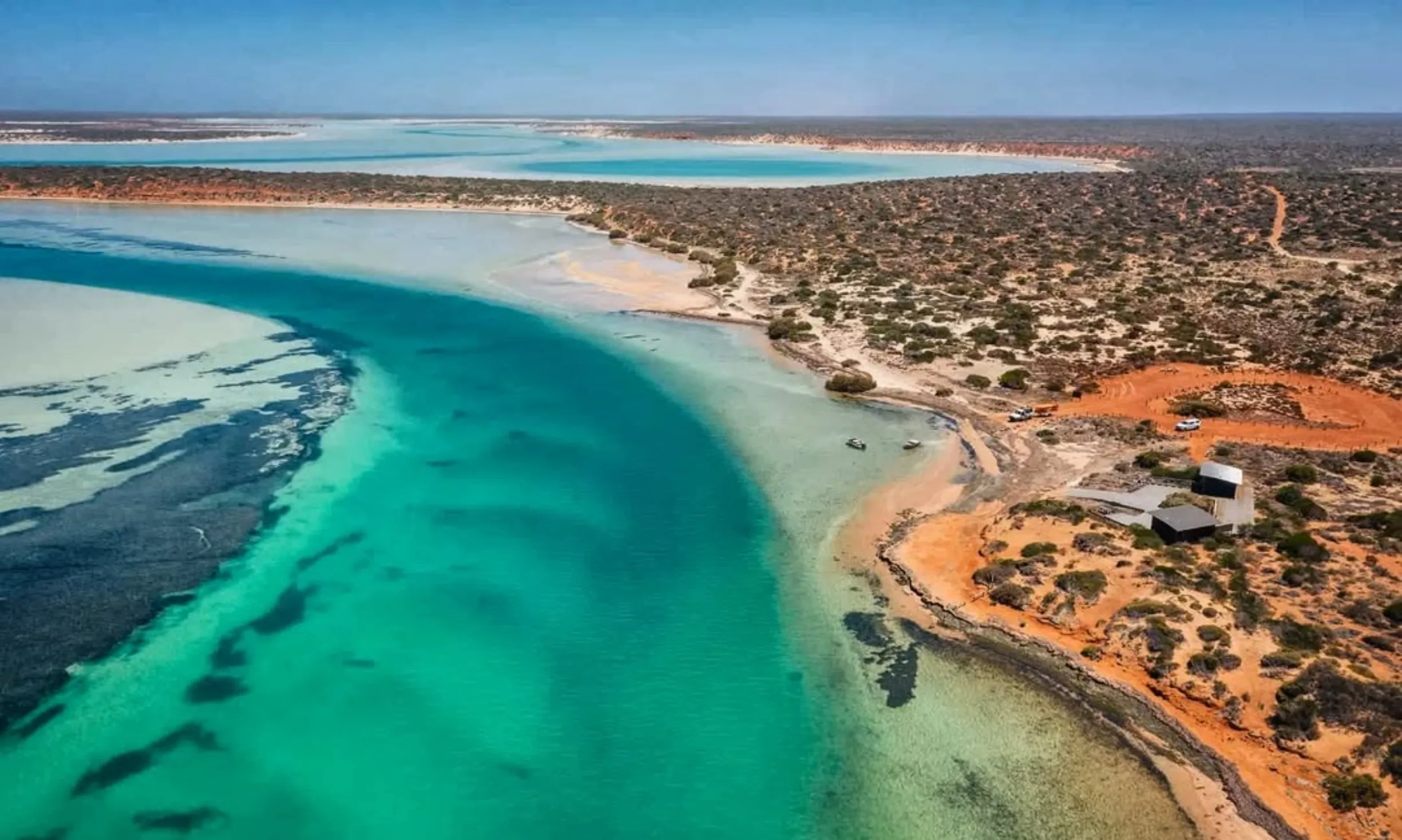
The Peron Peninsula and surrounding areas have been home to the Malgana people, the traditional owners of Shark Bay, for thousands of years. Their indigenous occupation of the land is evident in rock carvings, shell middens and deep knowledge of the region’s marine species and ecosystems.
The name “Monkey Mia” likely comes from early European settlers. Some say “Monkey” was a ship name and “Mia” is an indigenous word meaning “home” or “shelter”. Explorers like Dirk Hartog (who landed on Dirk Hartog Island in 1616) and Francois Peron mapped and studied the natural features of this amazing region.
The Establishment of Monkey Mia
Monkey Mia’s popularity as a tourist destination started in the 1960s when local fishermen began feeding bottlenose dolphins. By 1964 tourists were coming to see the wild dolphin action and by the 1980s official conservation measures were in place to protect the dolphin experience.
In 1985 the Western Australian Government declared Monkey Mia part of a marine feature within the larger Shark Bay Marine Park to manage responsible tourism and protect its marine life including dugongs, green turtles and tiger sharks. Today you can join a Monkey Mia tour that includes dolphin encounters, scenic boat tour and visits to nearby nature reserves.
Growth as a Tourism Destination
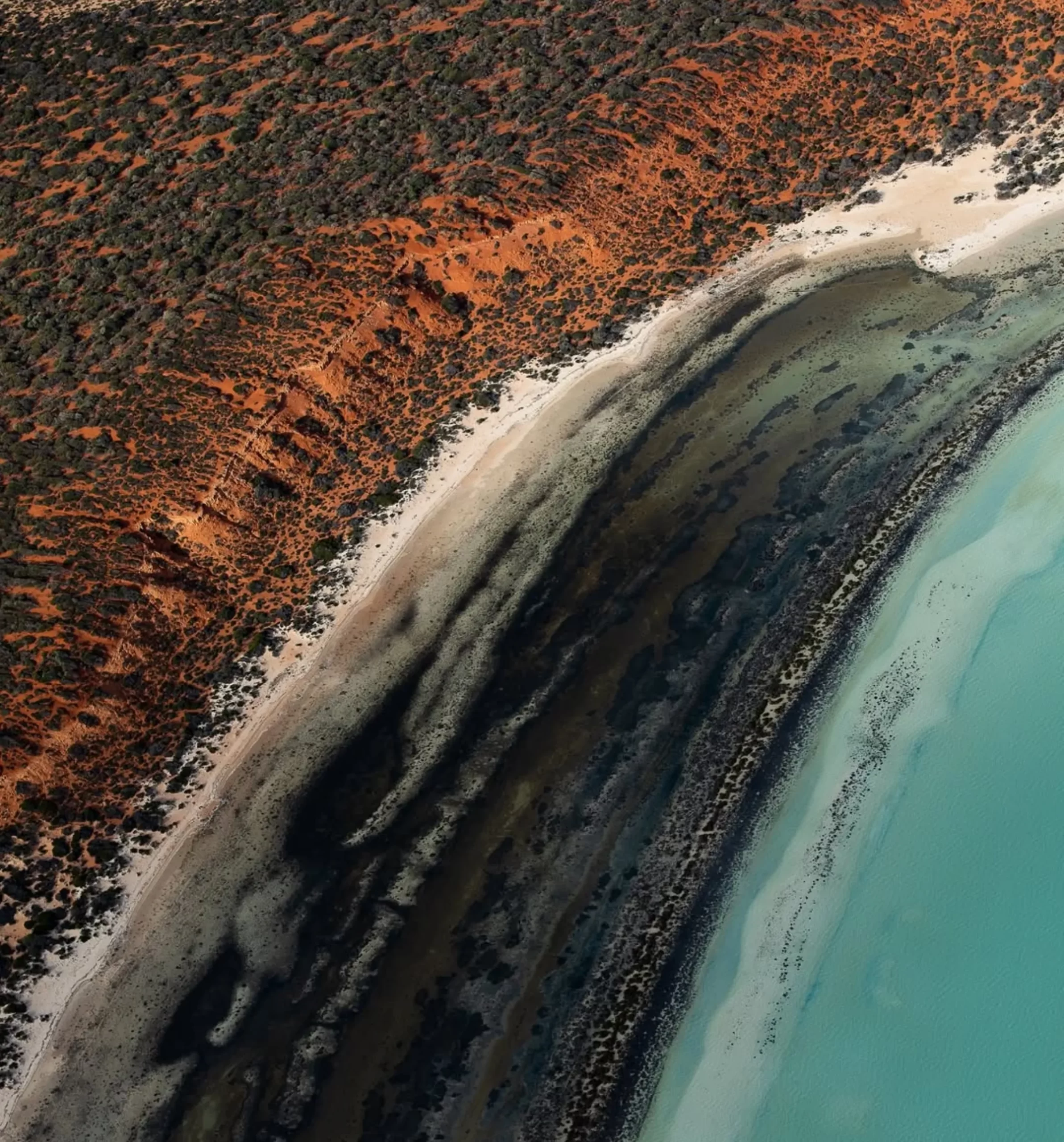
Monkey Mia’s popularity boomed in the 1990s and 2000s with eco-tourism playing a big role. The Department of Conservation and Land Management introduced a feral animal control program to protect local wildlife from invasive species to preserve the area’s marine species and fragile ecosystem.
Many people combine their Monkey Mia tours with other Western Australian experiences. For example Perth tours often include Monkey Mia, Shark Bay and other coastal hotspots. Some packages even include a Pinnacles National Park tour so you can visit the famous limestone formations before heading north to the beautiful waters of Shark Bay.
Other Attractions in and Around
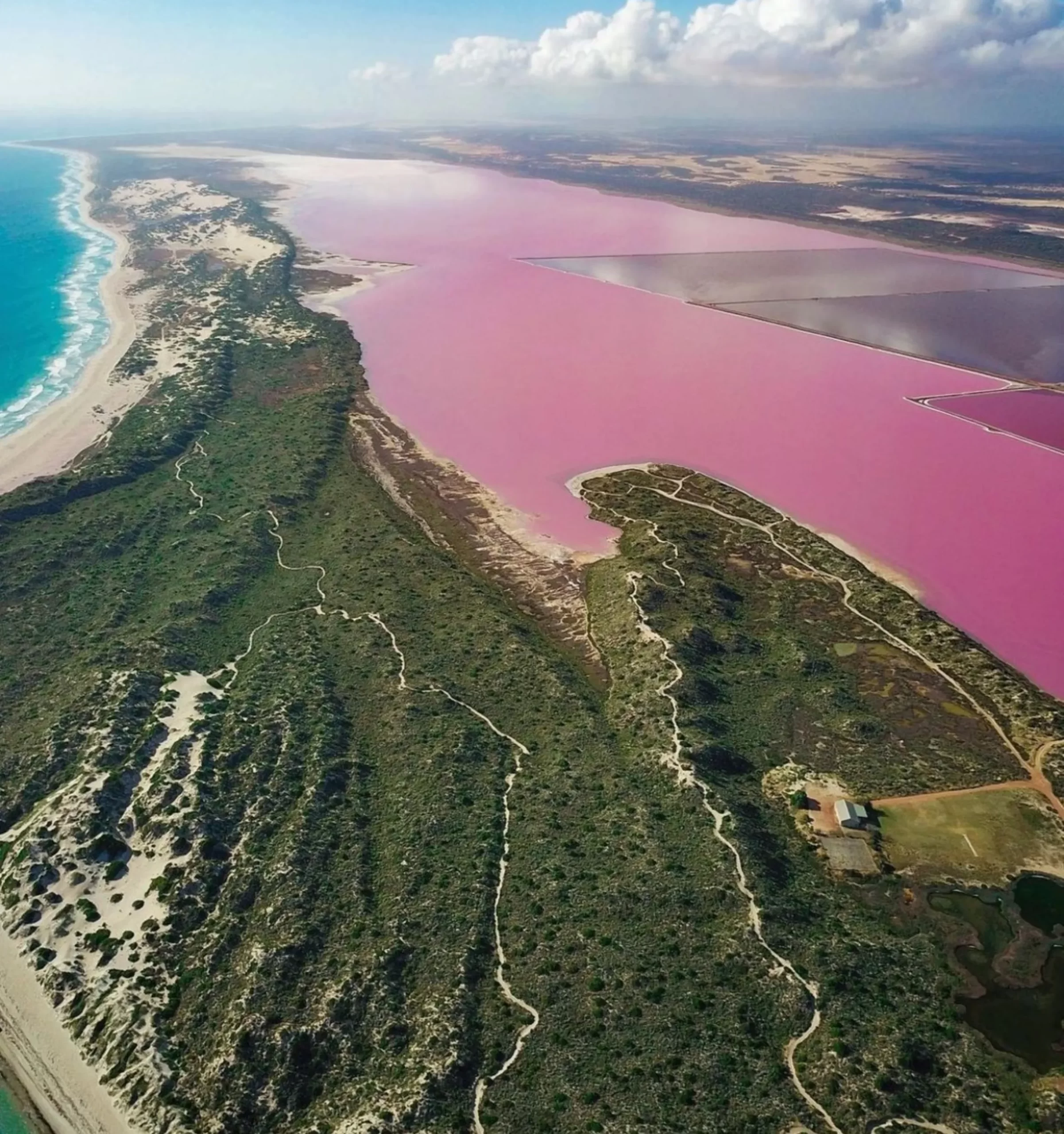
Monkey Mia is part of a broader ecotourism circuit featuring amazing landscapes and natural wonders such as:
- Francois Peron National Park – A rugged National Park with red cliffs, seagrass species and marine turtles.
- Hamelin Pool Marine Nature Reserve – Where you can see some of the oldest life forms on earth, stromatolites, which are key to understanding the biological processes of the earth.
- Dirk Hartog Island National Park – A historic Island National Park where Dirk Hartog left an inscribed pewter plate in 1616.
- Eagle Bluff – Scenic lookout with views of dugongs, tiger sharks and the Indian Ocean.
- Steep Point – The western most point of the Australian continent perfect for fishing and 4WD on unsealed roads.
- Kalbarri National Park & Nambung National Park – Popular stops on a Coral Coast itinerary with rugged gorges and unique rock formations. Many Pinnacles Tours from Perth include a visit to Nambung National Park famous for its desert like landscapes and limestone formations.
Monkey Mia Today
The dolphin feeding is still the top attraction in town with strict rules to minimalise disruption to the wild bottlenose dolphins. You can also visit nearby pastoral leases, go on fishing industry tours or learn about the botanical provinces of Western Australia.
If you want to visit multiple destinations, there are Monkey Mia tours that include Pinnacles National Park tours so you can see the coastline of Shark Bay and the mystical limestone pillars of Nambung National Park.
Conclusion
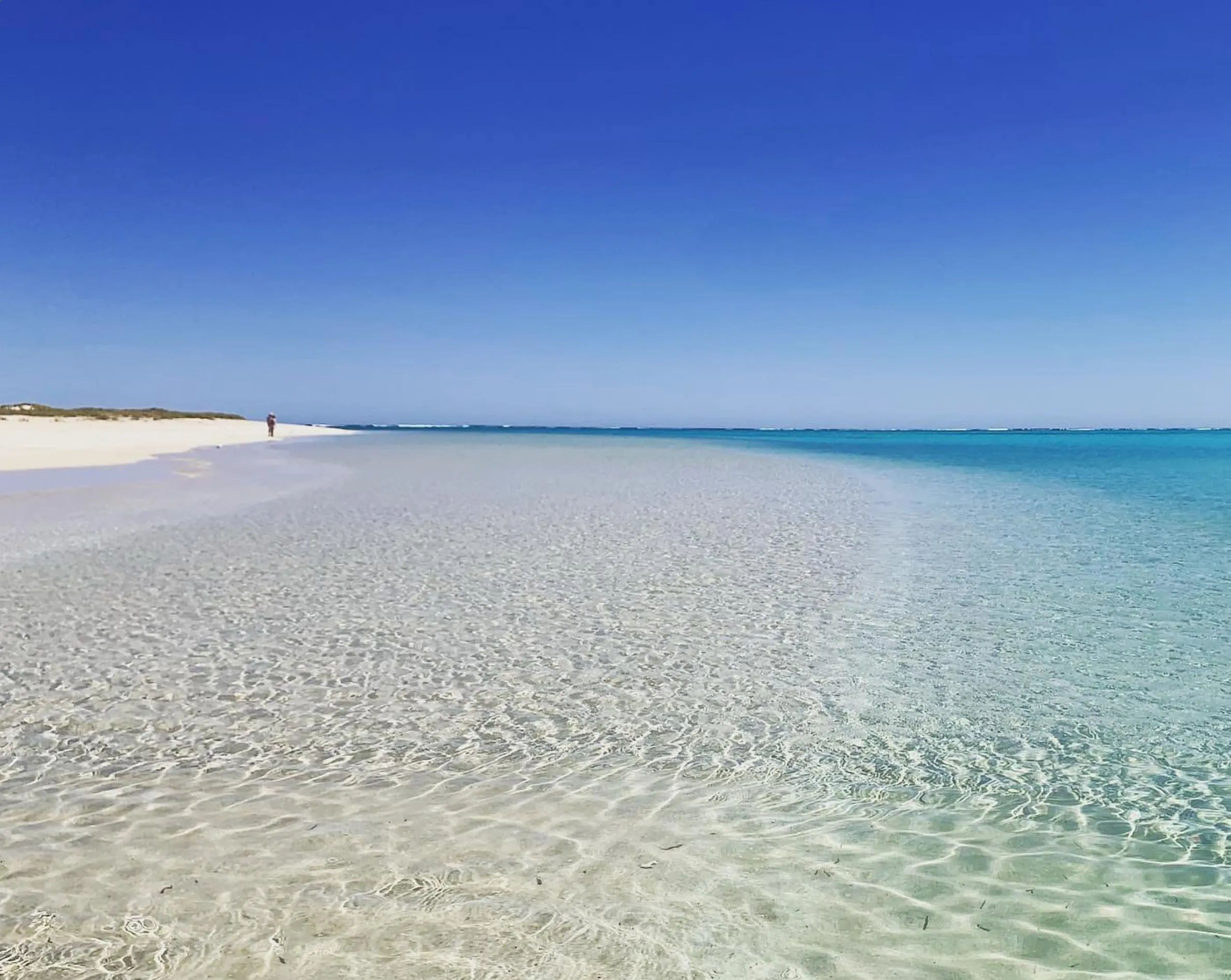
While Monkey Mia doesn’t have a single “founding date”, its transformation from a remote pastoral lease and fishing industry hub into a world famous coastal town started in the 1960s, with official recognition in the 1980s and 1990s. Today it’s a must visit on the Coral Coast, with incredible dolphin encounters, untouched marine life and diverse holiday accommodation for those looking for a mix of adventure and relaxation.
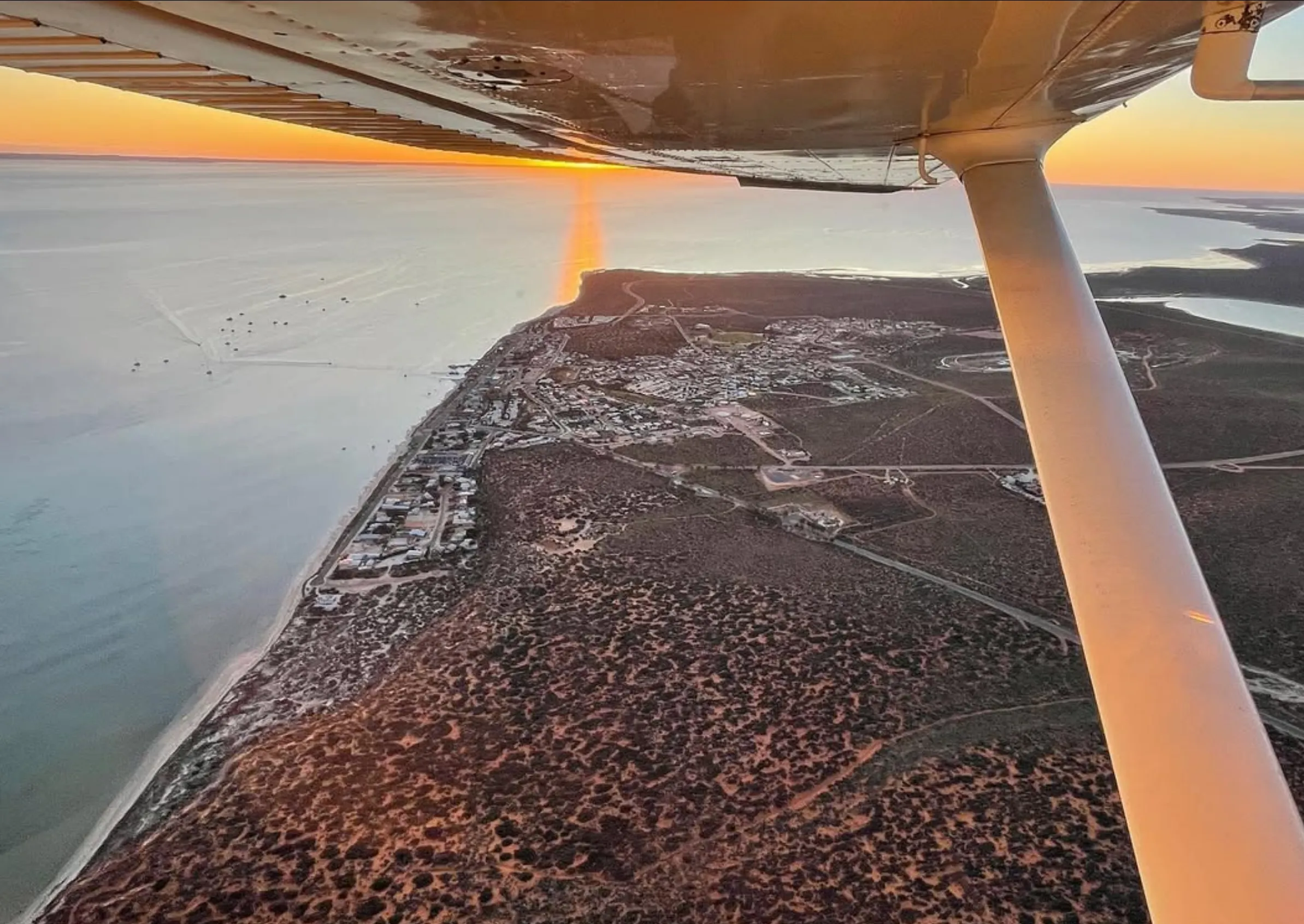
Whether you’re an ocean child, a nature nut or a history buff interested in monastic towns and explorers like Dirk Hartog, Monkey Mia is a place to experience trips on earth like no other. If you’re looking for a full Western Australian adventure book a Perth tour that includes Monkey Mia tours or a Pinnacles National Park tour.
Frequently Asked Questions
When was Monkey Mia developed as a tourist destination?
Monkey Mia started to get popular in the 1960s when local fishermen began to feed wild dolphins. By the 1980s it was officially protected and in 1985 it became part of the Shark Bay Marine Park.
How do I get to Monkey Mia?
Monkey Mia is 850 km north of Perth. You can get here by car via the Coral Coast Highway, by flying into Shark Bay Airport or by joining a guided Monkey Mia tour from Perth or Geraldton.
What’s the best time to visit Monkey Mia?
The best time to visit Monkey Mia is between April and October, the cooler months. Summer (December–February) can be very hot but still great for marine activities.
Are there other attractions near Monkey Mia?
Yes! Nearby attractions are Francois Peron National Park, Dirk Hartog Island, Eagle Bluff and Hamelin Pool Marine Nature Reserve. Many people also combine their visit with a Pinnacles National Park tour or a Perth tour.
Can I swim with the dolphins at Monkey Mia?
No, you can’t swim with the dolphins. But you can watch dolphin feeding from the beach and join a boat tour to get up close to the marine life.