If you’re trying to figure out whether the trainer teaches a single go to look or adaptable techniques, then you’re already ahead of the pack of beginners who sign up for cosmetic tattoo training without any idea of how much their future work is going to depend on this one decision. Loads of students contact me after enrolling in a lip tattoo course or their eyebrow tattoo course elsewhere, only to discover they were taught one rigid method that just doesn’t work in real-life scenarios. As a trainer based in Melbourne, I’ve seen how this little misunderstanding can set students back – or even worse, dent their confidence.
When I, Olha Po, first started teaching, I decided I’d never create one-look artists in my students. People don’t go to the studio looking like a picture in a makeup book – they walk in with their own lifestyles, tones, colour preferences and beauty goals. It’s the adaptable techniques that let them feel truly understood.
Contents
- 1 Why Adaptable Techniques Build Career Success
- 2 The Biggest Red Flag In Cosmetic Tattoo Education
- 3 Signs Your Trainer Teaches One Look
- 4 A Student’s Story from My Melbourne Studio
- 5 What Real Training Should Look Like
- 6 Signature vs Adaptable Methods
- 7 How Being Able to Adapt Improves Safety & Healing
- 8 How To Evaluate a Cosmetic Tattoo Training
- 9 Your Skillset Shouldn’t Be Limited To One Look
- 10 FAQ
Why Adaptable Techniques Build Career Success
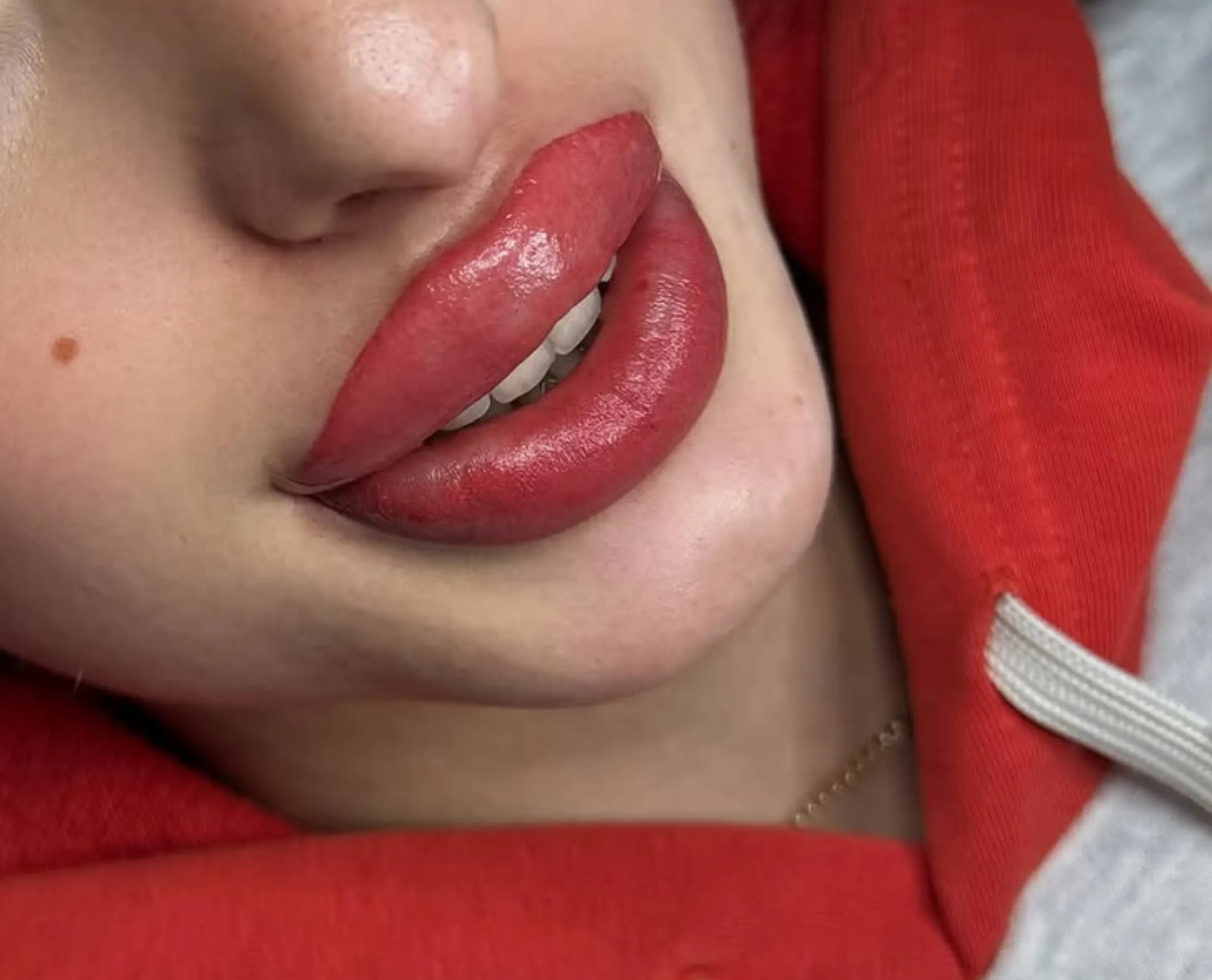
Every student who signs up for my training has different goals. Some love a soft shading look because it mirrors their own makeup style; others love a structured look inspired by the latest makeup trends. Cosmetic tattoo training should cover all of that off – not push everyone into the one mould. When a student comes to me after completing one of those rushed cosmetic tattoo courses that promise to make them a master in no time, the biggest gap I see is their ability to actually adapt to different skin tones, textures and healing patterns.
Melbourne’s climate can play havoc on pigment in ways that beginners just can’t anticipate. A person with cool undertones isn’t going to heal the same way as someone with warm undertones. Having adaptable techniques makes you confident enough to handle all of that.
The Biggest Red Flag In Cosmetic Tattoo Education
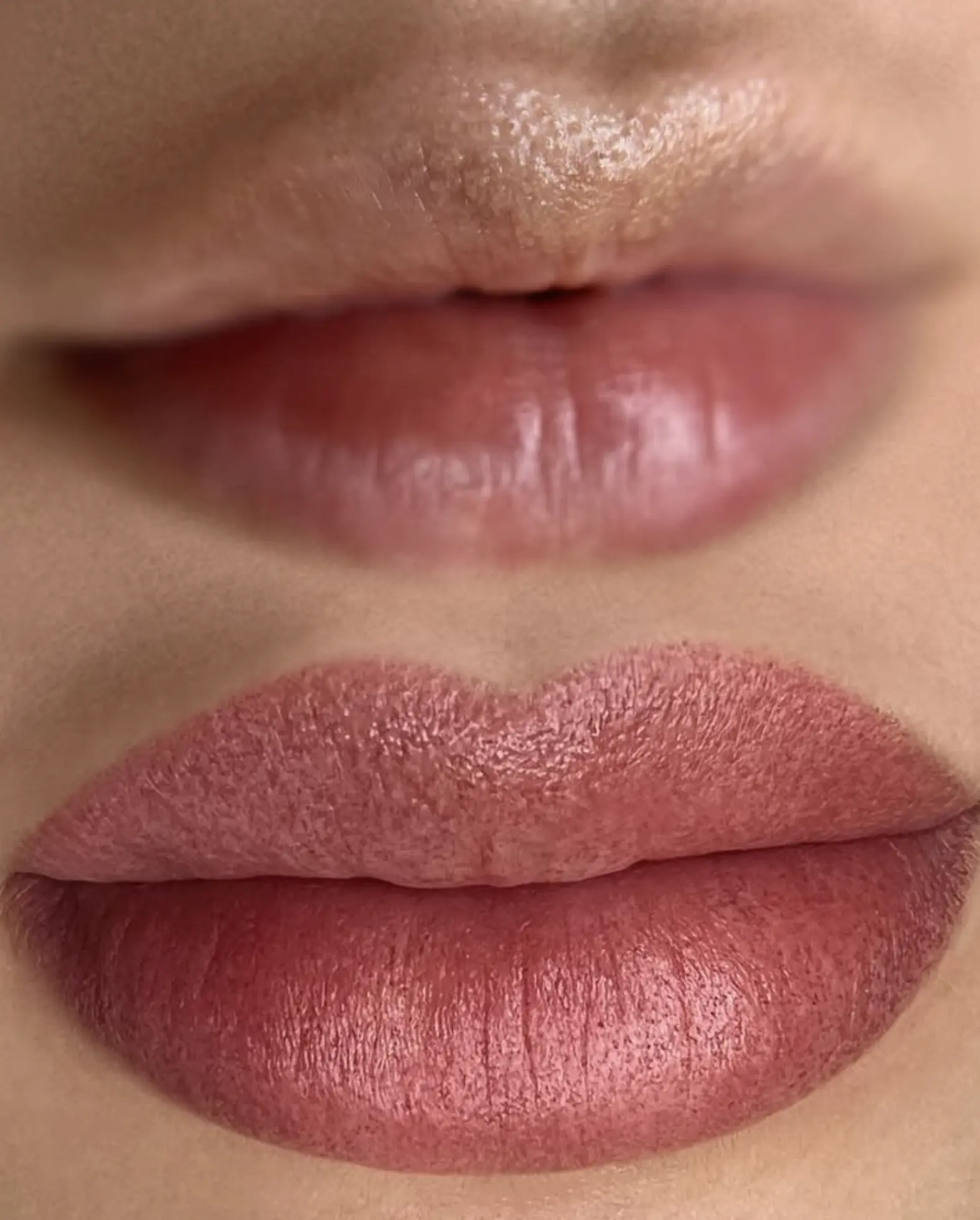
A training program that promises to teach just one perfect brow or lip shape is already setting you up for trouble. I meet loads of students who completed lip tattoo courses that only showed off heavily saturated results… something that looks great on Instagram but doesn’t reflect the reality of clients who prefer more subtle enhancements
That’s not education – that’s a form of brainwashing into thinking everything has to be cookie-cutter.
Signs Your Trainer Teaches One Look
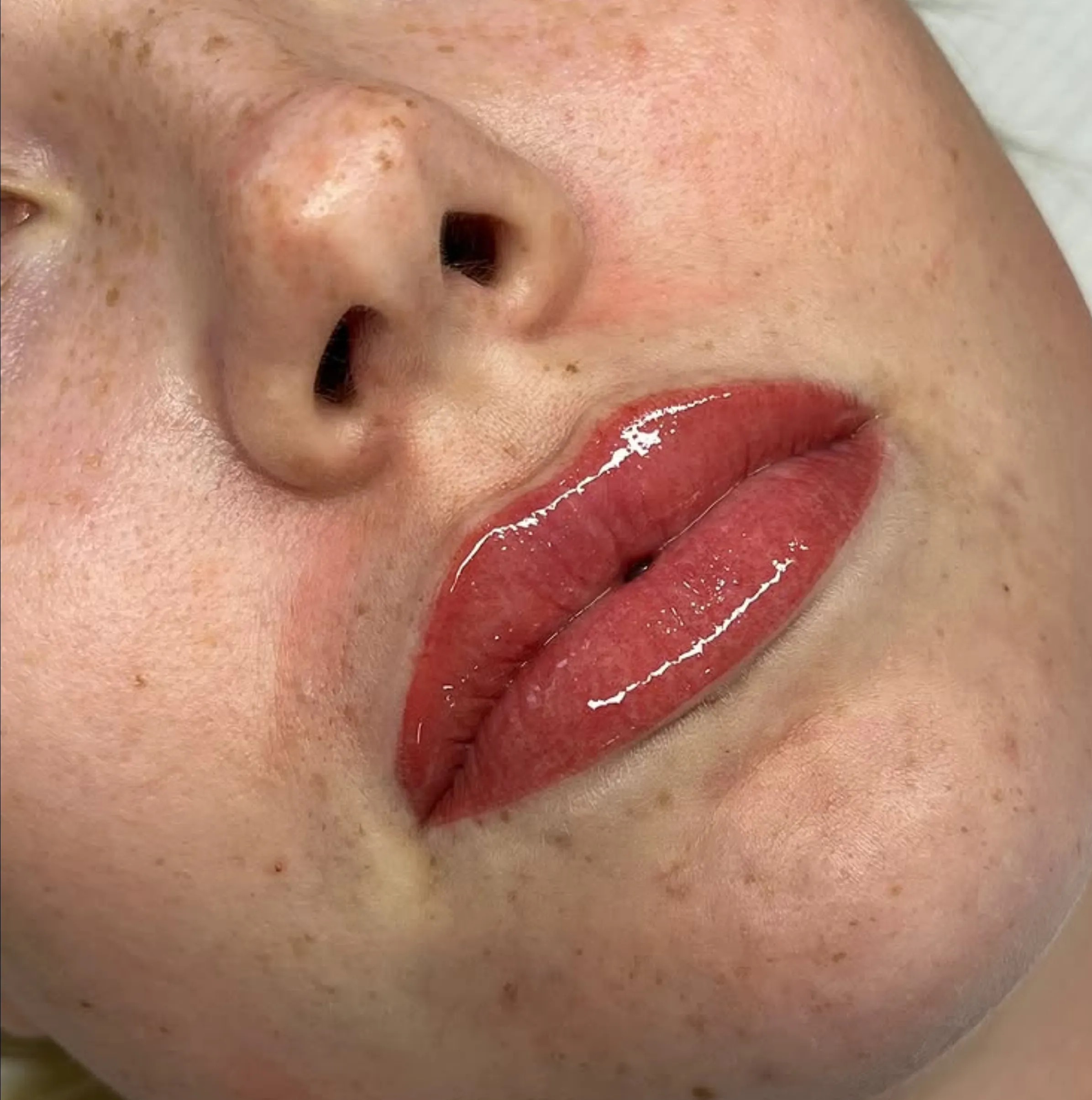
Some educators specialise in one signature glam design and replicate it again and again across all of their models. Yes, it looks gorgeous in the right light – but try healing that look for a few weeks, and you’ll have a different story to tell.
Signs the trainer is only teaching one rigid look:
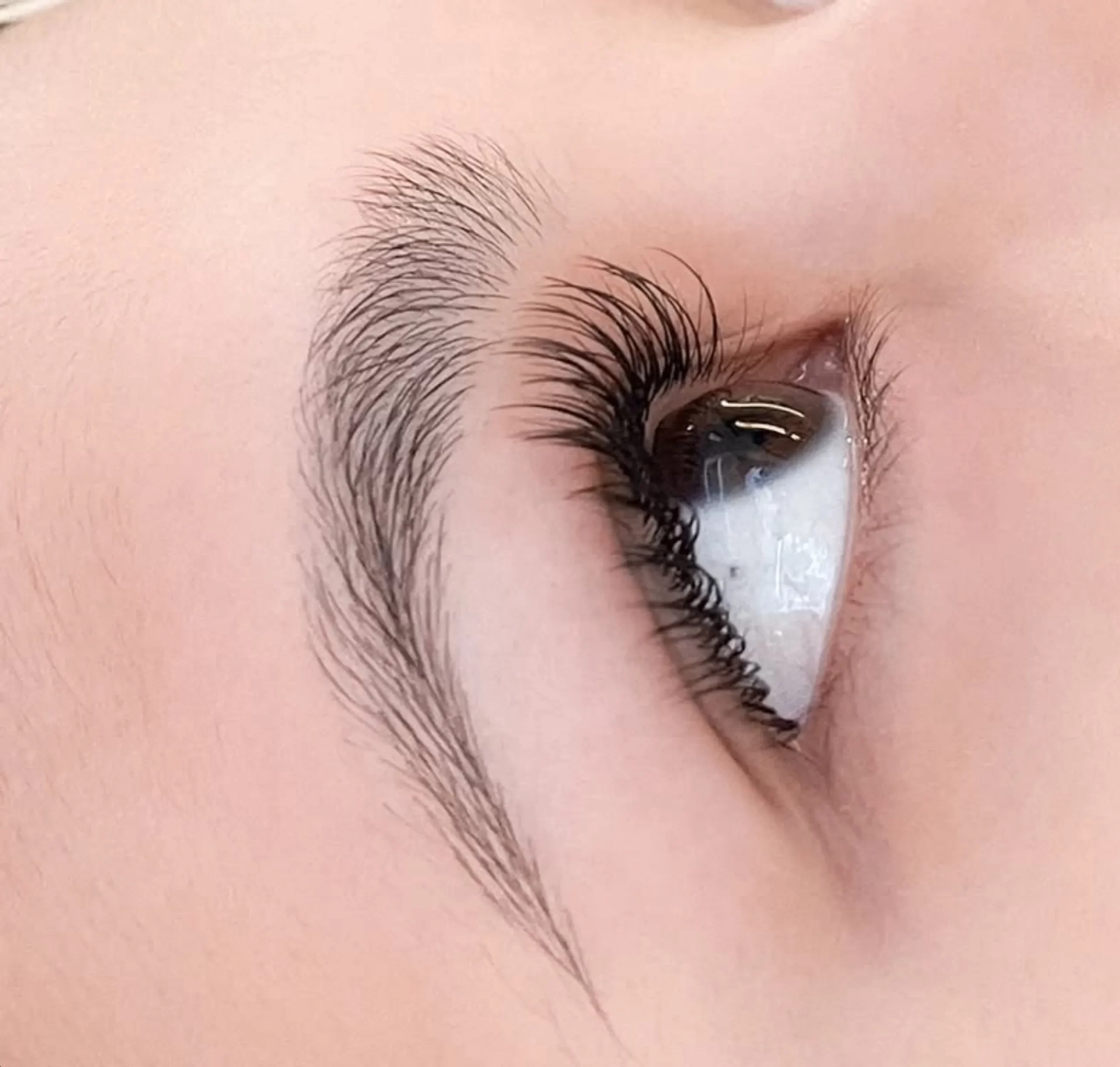
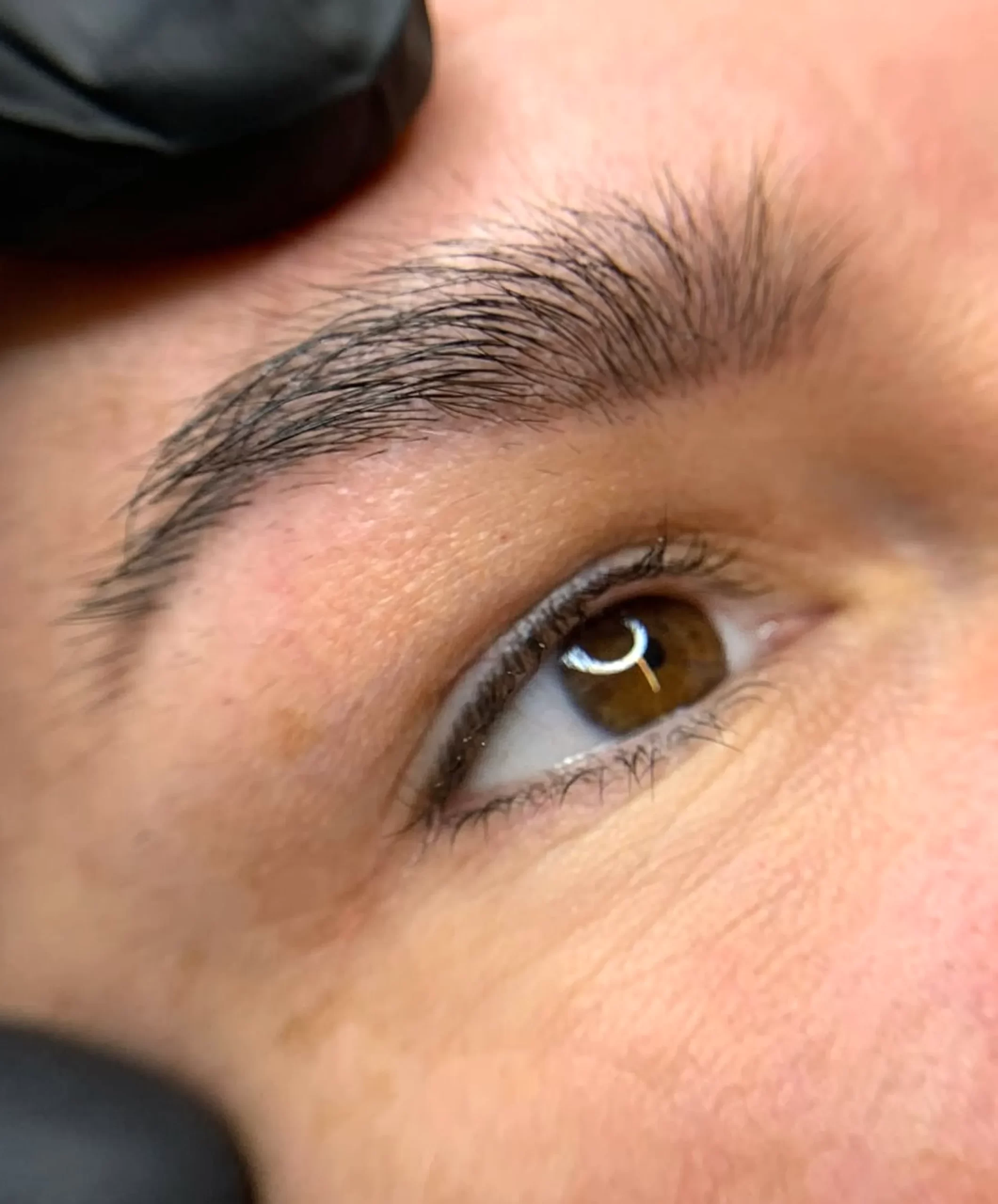
- Every model looks like they’ve had the same brow shape, even in an eyebrow tattoo course that’s supposed to show off variation
- They never mention undertones or shade selection – it’s as if the colour spectrum doesn’t exist
- Your practice exercises are all about copying their technique rather than actually learning the principles behind it
This is the complete opposite of what you want from a training program and can stall your growth right from the start.
A Student’s Story from My Melbourne Studio
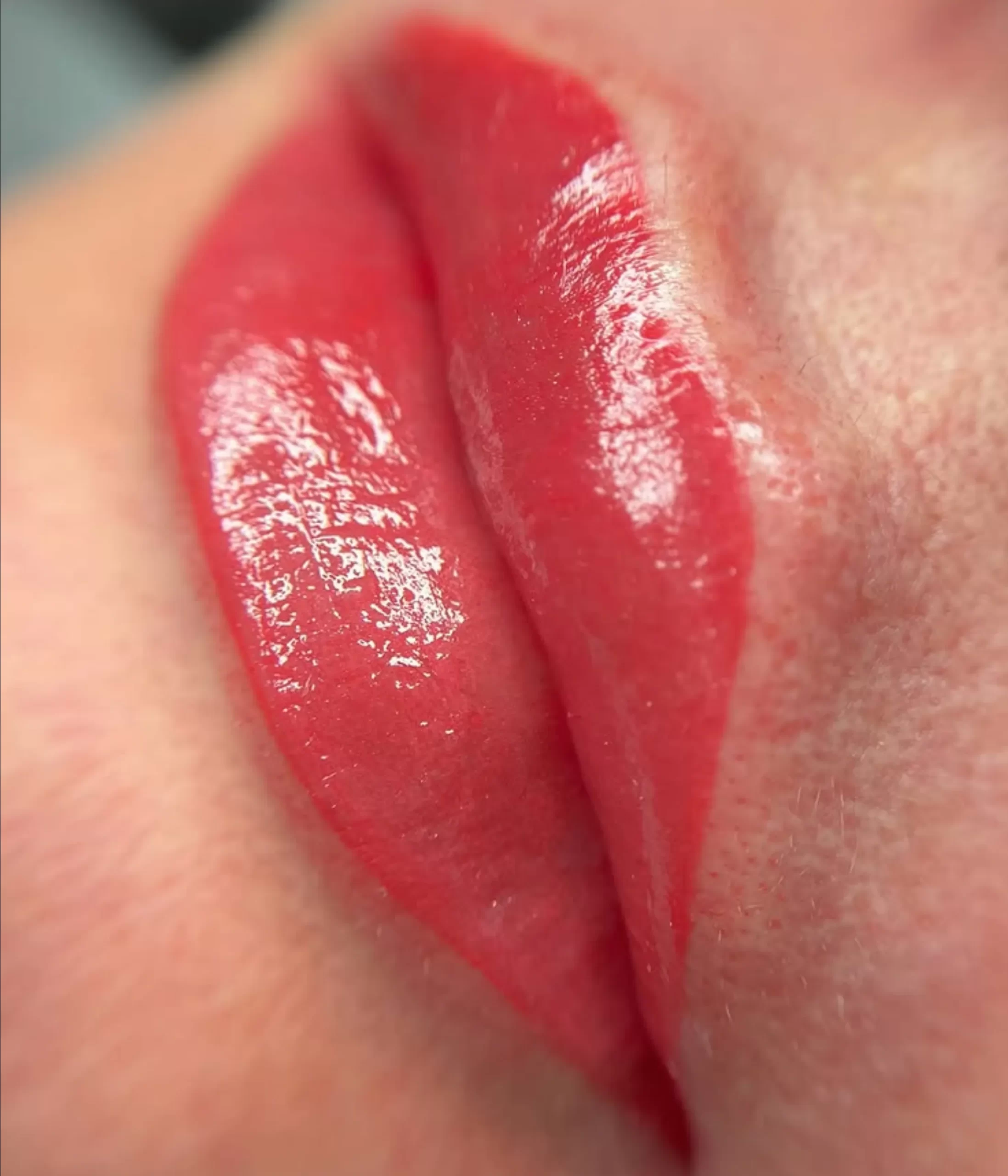
This student had enrolled in my classes, assuming she’d pick up a broad range of skills over multiple cosmetic tattoo courses, but what she really got was a narrow focus on one particular aesthetic. To be honest, she hadn’t been taught how to cater to mature skin types, warm or cool skin tones or even subtly adapt her designs to suit a client’s lifestyle. I mean, she thought she’d be learning a whole range of techniques, but the truth is, she’d only scratched the surface of one style.
But then she got to work with some adaptable techniques, and suddenly it all clicked – she could finally grasp the concept of mapping for asymmetry, depth control and pigment variation. It turned out none of these skills had been covered in her previous course, so this was a breakthrough for her.
What Real Training Should Look Like
I always say that good training is about teaching you how to think, not just how to copy someone else’s style. Whether it’s a lip tattoo course or a multi-day brow masterclass – the key is that it should be teaching you how to break things down and make informed decisions for yourself.
So when you’re looking to enrol in a course like this, here’s what you want to look for:
- You want to be able to assess face shape and how muscle movement affects your design
- You want to know how skin tone and texture behave over time, and how that impacts your work
- You want to be able to spot how a client’s lifestyle and makeup habits will influence their design choices
- You want to understand pigment behaviour and how it changes across the whole colour spectrum
- And most importantly, you want to be taught to choose your techniques based on safety, not just because it’s trendy
Adaptability is what sets a good artist apart from a great one – when you can adapt to a client’s needs, whether they want subtle or dramatic results, and deliver what they’re looking for, that’s when you know you’ve got a skill that’s worth having.
Signature vs Adaptable Methods
| Training Style | What You Learn | Career Outcome | Risk Level |
|---|---|---|---|
| Signature Look Only | One mapped shape + one pigment option | You can replicate one aesthetic | High — doesn’t suit all skin tones or lifestyles |
| Adaptable Techniques | Multi-style mapping, pigment variation, and professional techniques | You can customise for any client | Low — more confident decisions |
| Hybrid (Best Case) | The trainer shows their style and teaches adaptations | You develop a personal style grounded in skill | Lowest — future-proof training |
A pretty astounding number of artists who join my advanced workshops come from cosmetic tattoo courses where they weren’t shown how to change technique for different ages or skin tones – a limitation that suddenly becomes glaringly obvious once they start dealing with real-life clients from Melbourne.
How Being Able to Adapt Improves Safety & Healing
Safety is a non-negotiable. Its the foundation on which you build everything. A single technique just doesn’t cut it when it comes to:
- How a signature colour fades across the different undertones of skin
- The impact that medications or active skincare products can have on how long the colour lasts
- How a client’s lifestyle (a low-key make-up wearer vs someone who wears a full face of make-up every day) changes how much density you need to achieve the right look
- How different skin tones change over time – as they get older, warmth in the skin can shift quite significantly
Being able to adapt is what gets you stable results, safe outcomes and clear expectations – things that your clients will greatly appreciate, especially when choosing an artist who has proper, reputable training rather than just showing up to some quick one-off workshop.
How To Evaluate a Cosmetic Tattoo Training
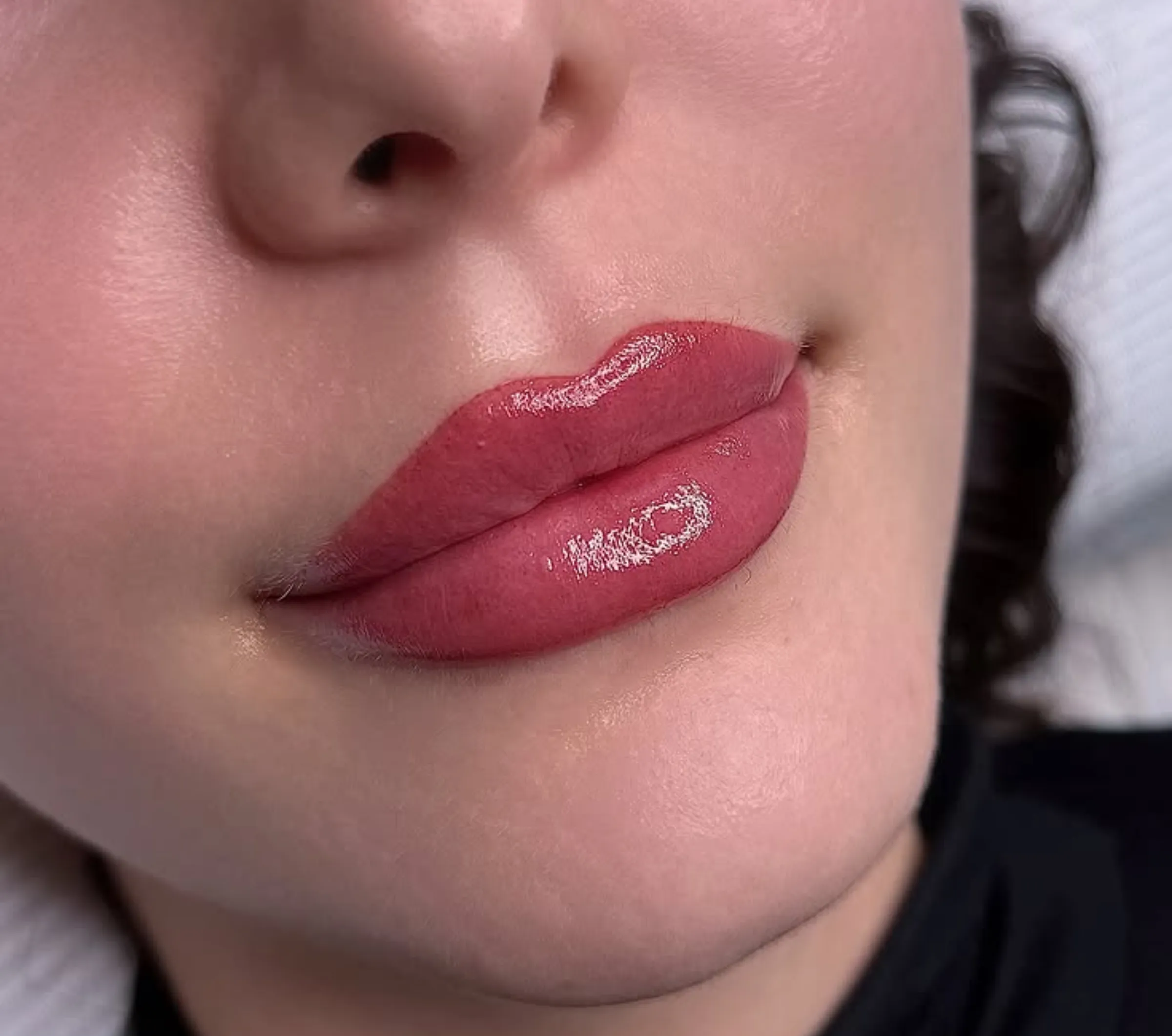
Here are the things I always recommend that a student consider:
- Check whether the course teaches variations
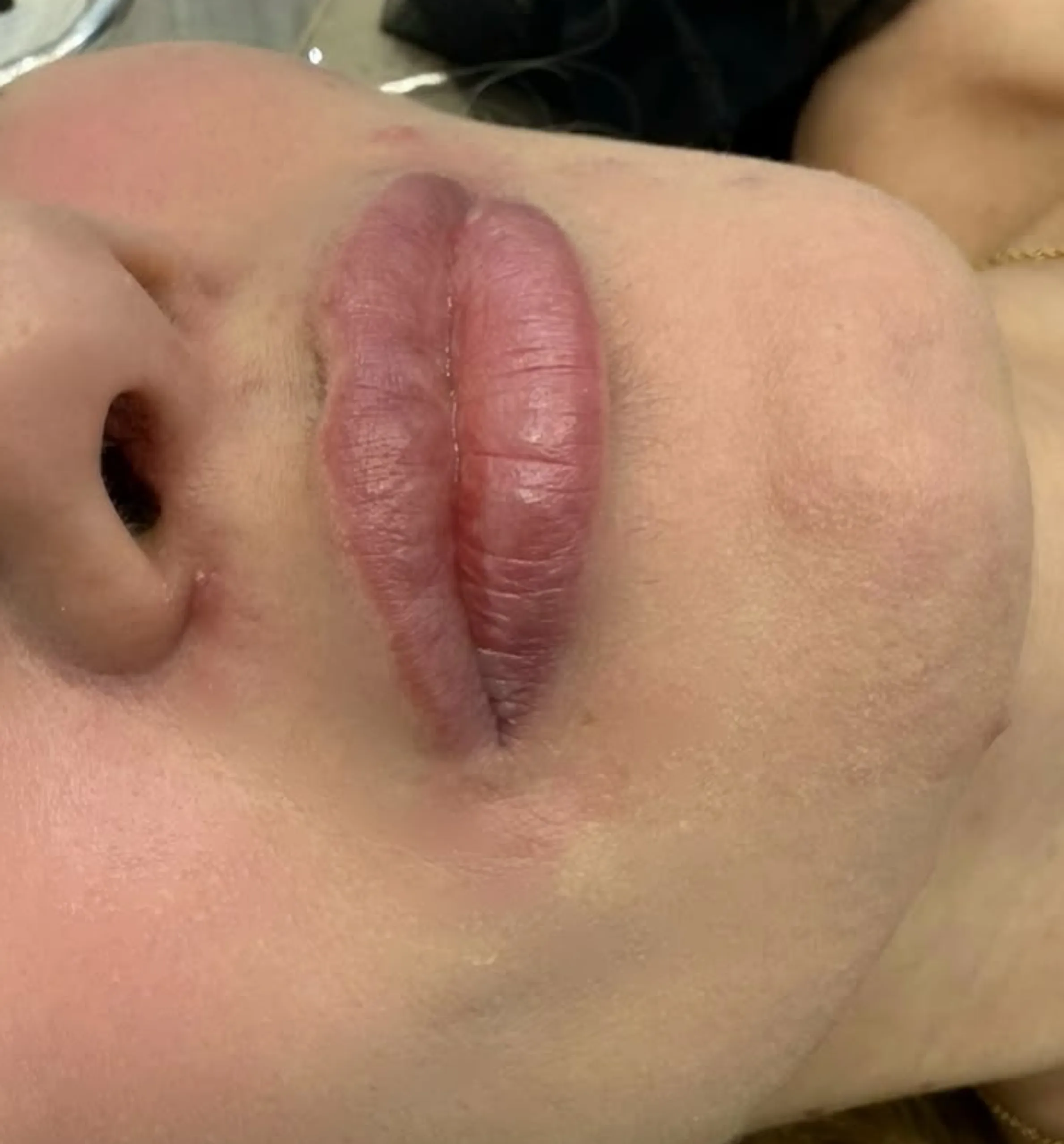
A good lip tattoo course will show you how to do lips on a variety of different face shapes & ages – not just idealised models. - Look for healed results across lip tattoo courses
Fresh results don’t tell you anything about how long the colour will last or what the final colour will actually be. - Ask how your trainer approaches skin tone differences
If they can’t even begin to explain how different pigments behave across the colour spectrum, then that’s a bit of a red flag. - Confirm that your cosmetic tattoo training includes live models
One model just isn’t enough to help you build the adaptability you need. - Look for post-course mentoring
Developing adaptable techniques takes months, not hours.
Your Skillset Shouldn’t Be Limited To One Look
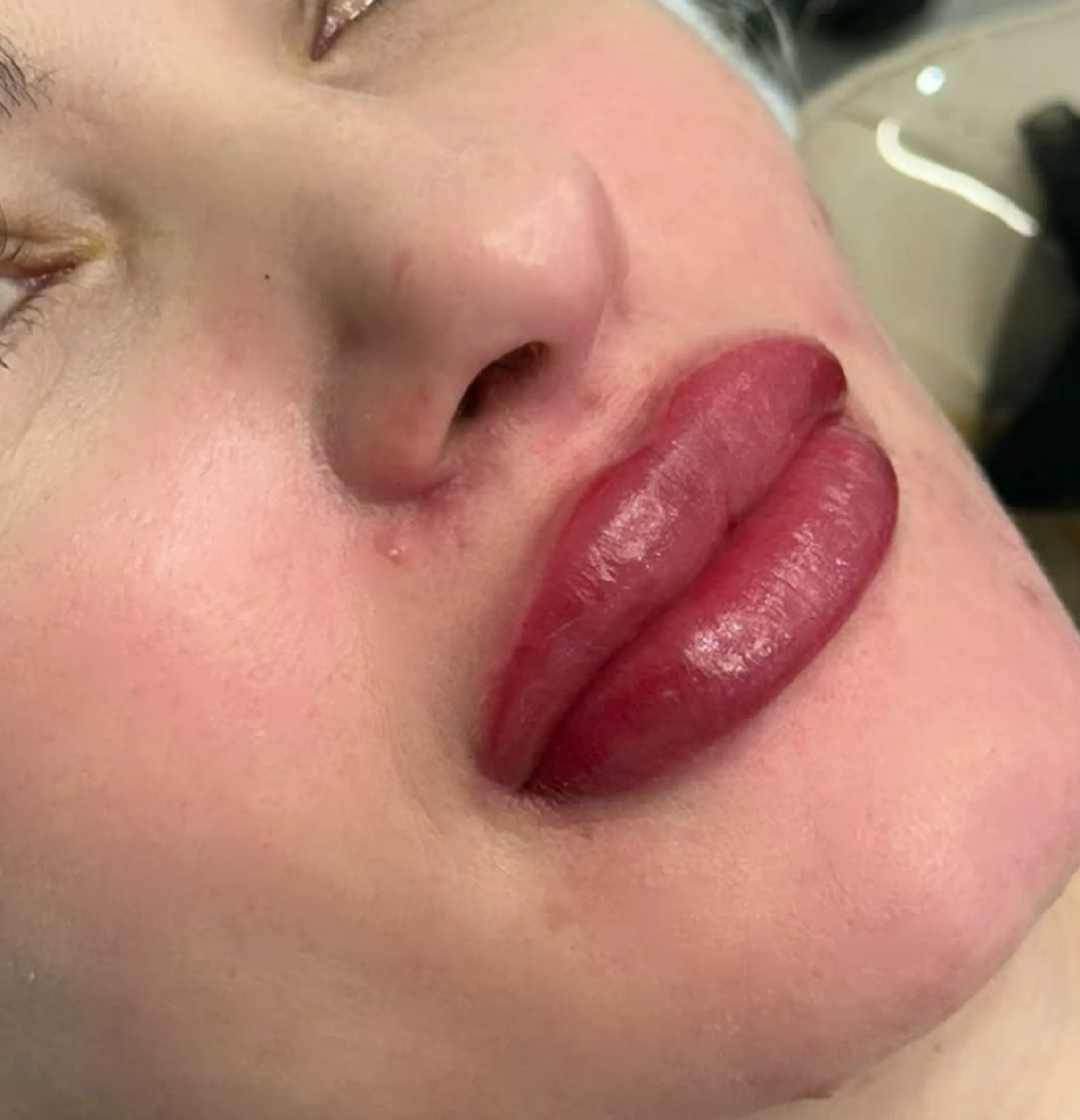
Your clients won’t thank you for trying to copy someone else’s look – they’ll thank you if you can understand their skin tone, their facial structure, their lifestyle, and what they’re actually looking for. Whether you’re taking an eyebrow tattoo course, a lip tattoo course or an advanced shading class, choose training that builds versatility – not puts a limit on what you can do.
If you’re ready to learn adaptable, thoughtful cosmetic tattoo training at Cosmetic Tattoo Studio Melbourne Face Figurati, I’d be happy to show you the way.
FAQ
Is a signature look bad?
No – sometimes it’s even beautiful. The issue is when it’s the only method that’s being taught – especially when that method is part of some fast cosmetic tattoo course.
Will adaptable techniques slow me down?
They may slow you down at first, but then you’ll be much faster and more accurate in the long run.
What if my clients prefer subtle enhancements?
Adaptable training will help you deal with all sorts of clients – from the low-key ones to the ones who want to go all out.
Can I develop my own signature style after learning variations?
Absolutely – and it will be way stronger because it’s built on proper technique, not just imitation.
How do I know if a lip tattoo course or brow masterclass is too limited?
If every single model looks just like the trainer – rather than themselves – that’s usually a pretty good indication.