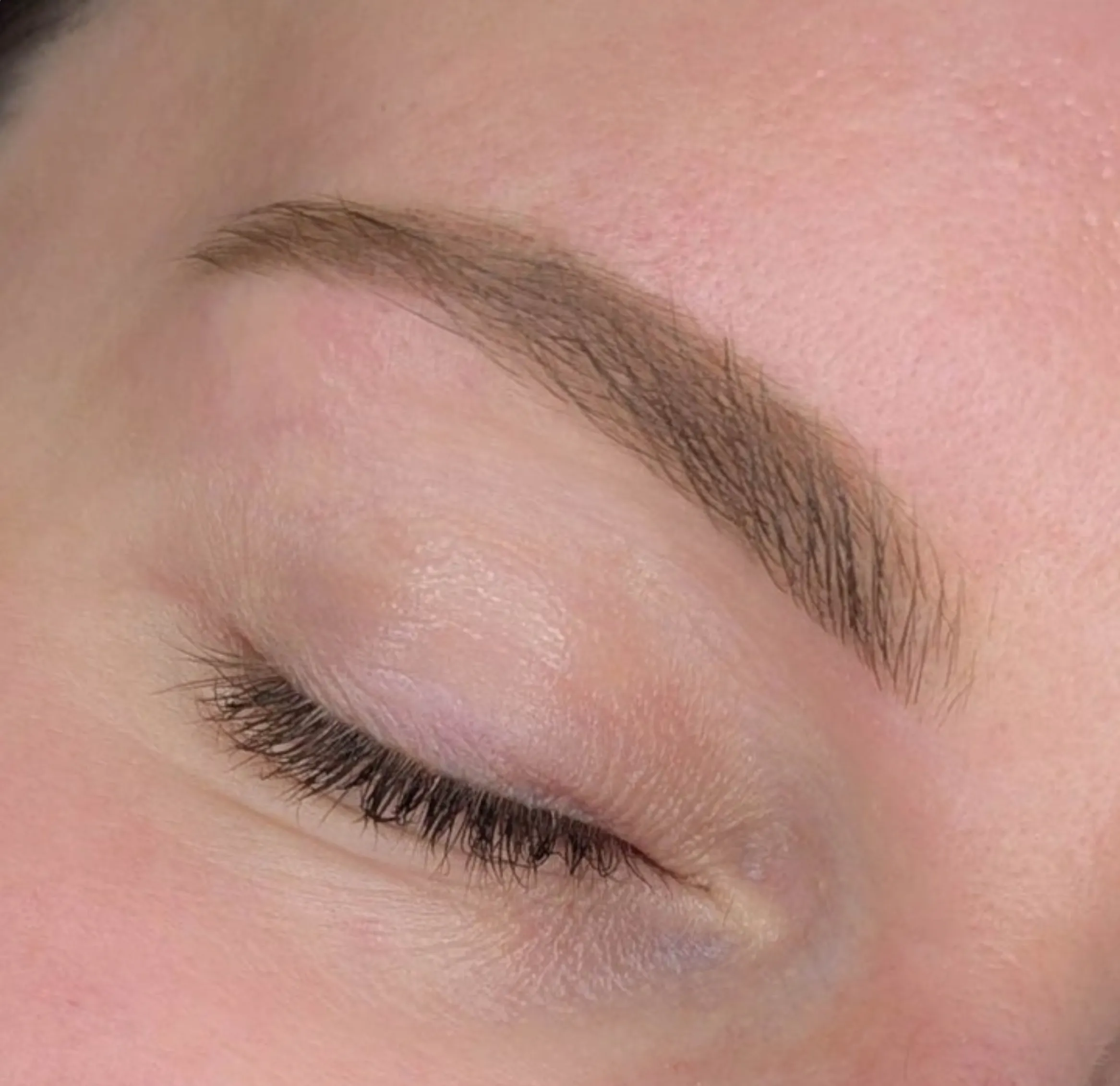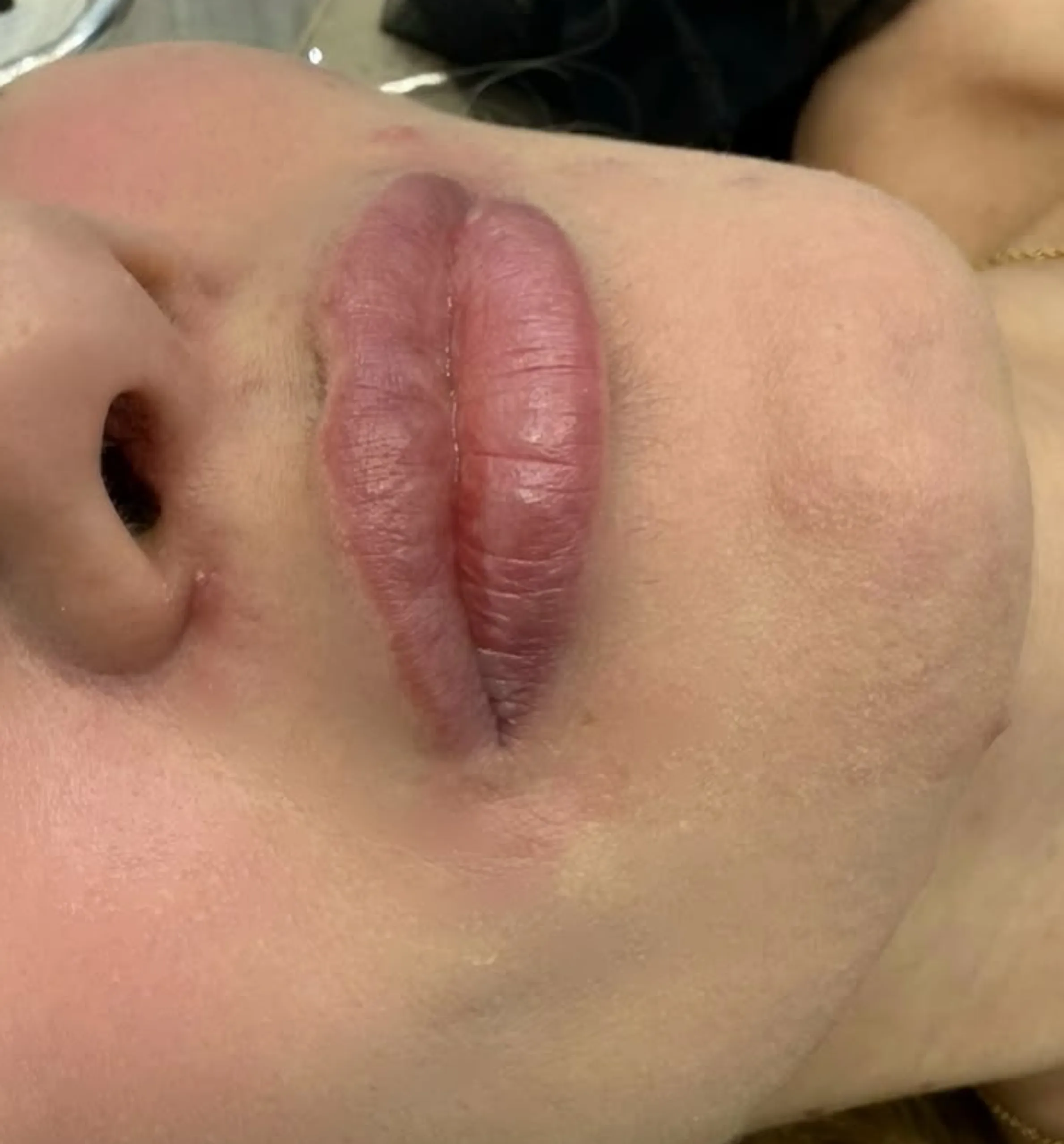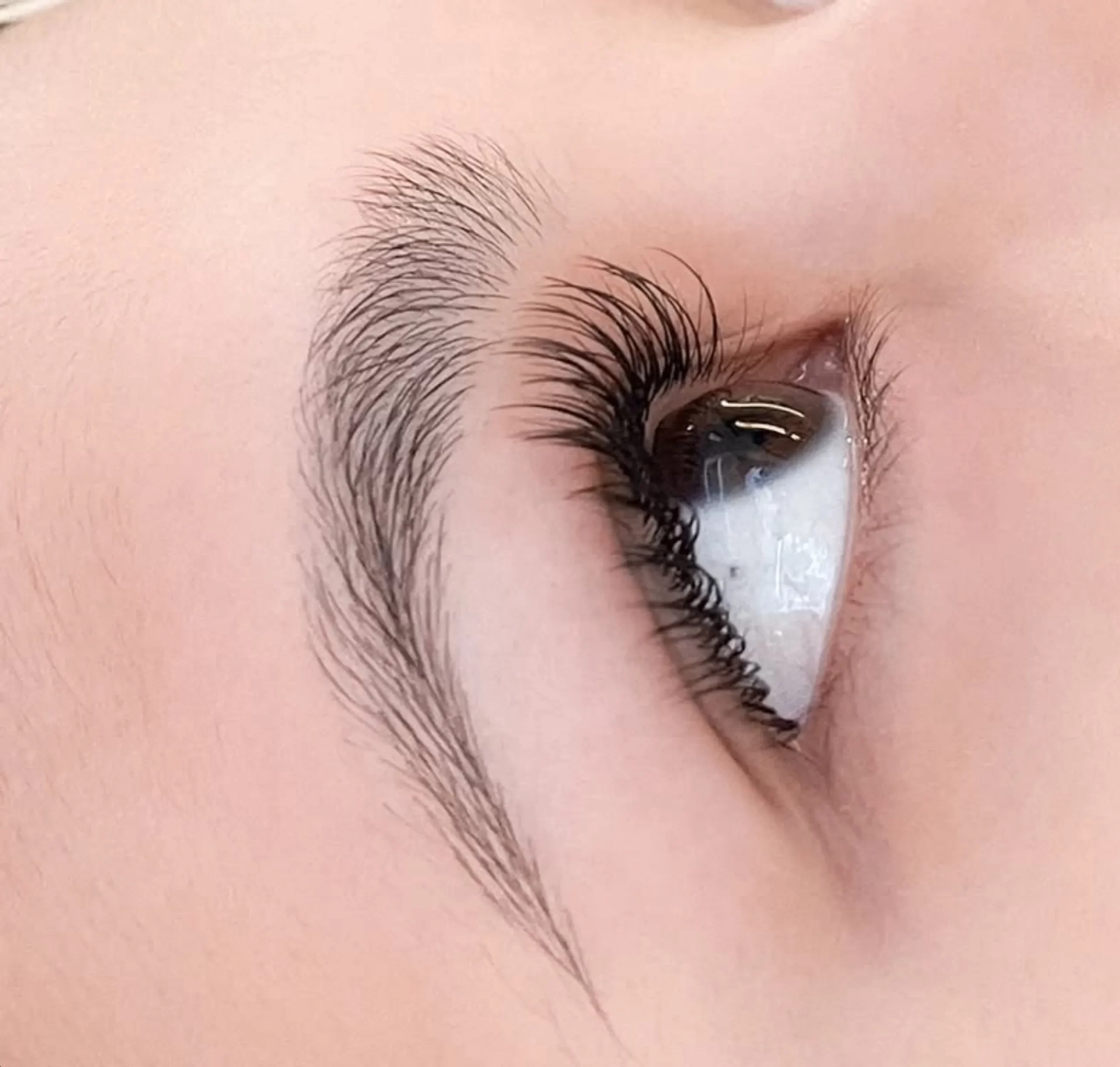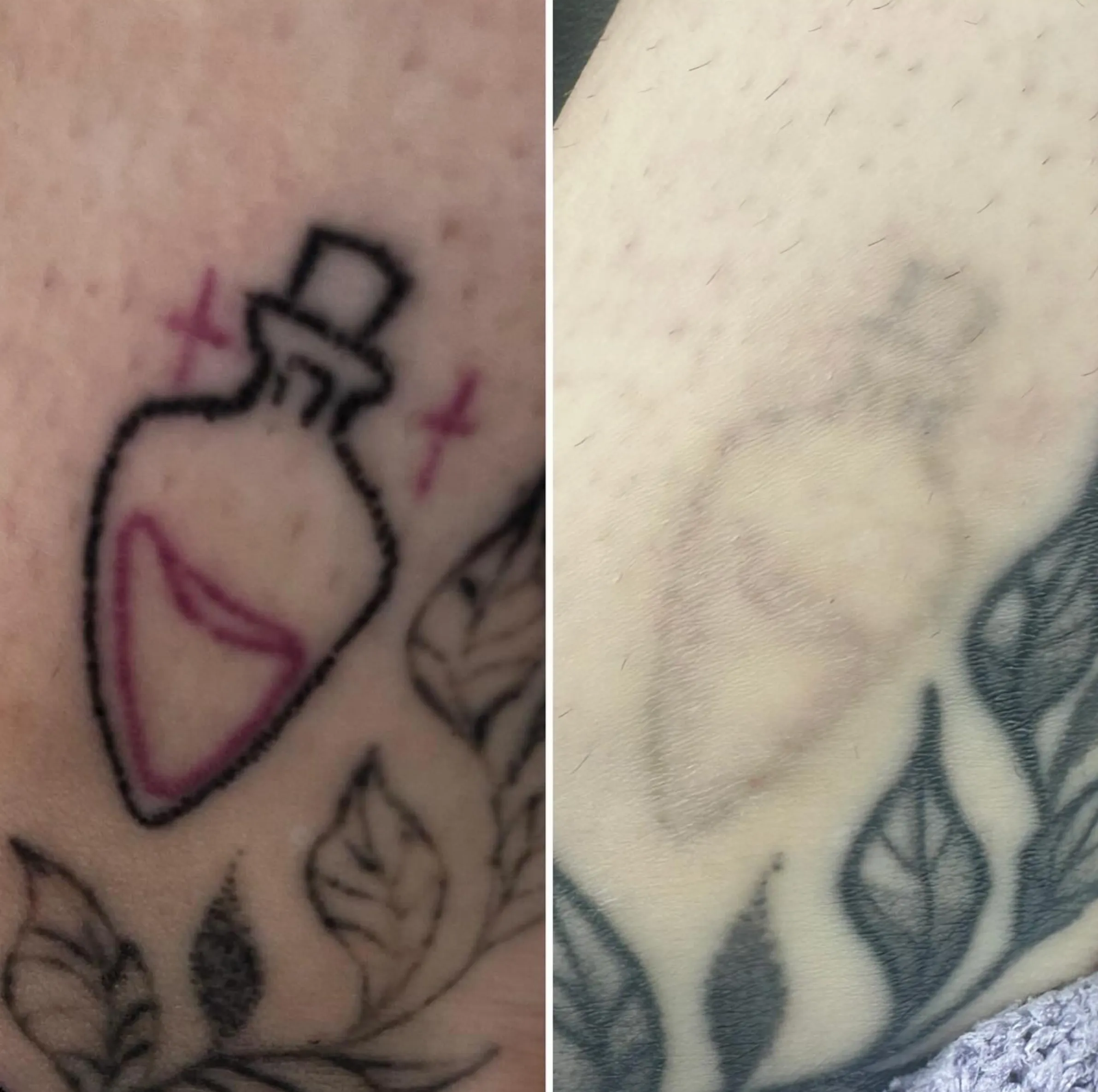
So you have tattoo regret (or an over-saturated brow that looks like it was drawn on with a permanent marker)? You’re not alone. One of the most common questions I get in the studio is: “What pulls tattoo ink out?” Whether you’re trying to fade an old lip blush, remove a poorly shaped brow tattoo or just curious about how it all works, I’ve got you covered.
As a tattoo artist and cosmetic tattoo specialist in Melbourne who’s fixed more botched brows than I can count, let me break down the science, methods, myths and side effects of pulling ink out of the skin.
Contents
Your body does more work than you think
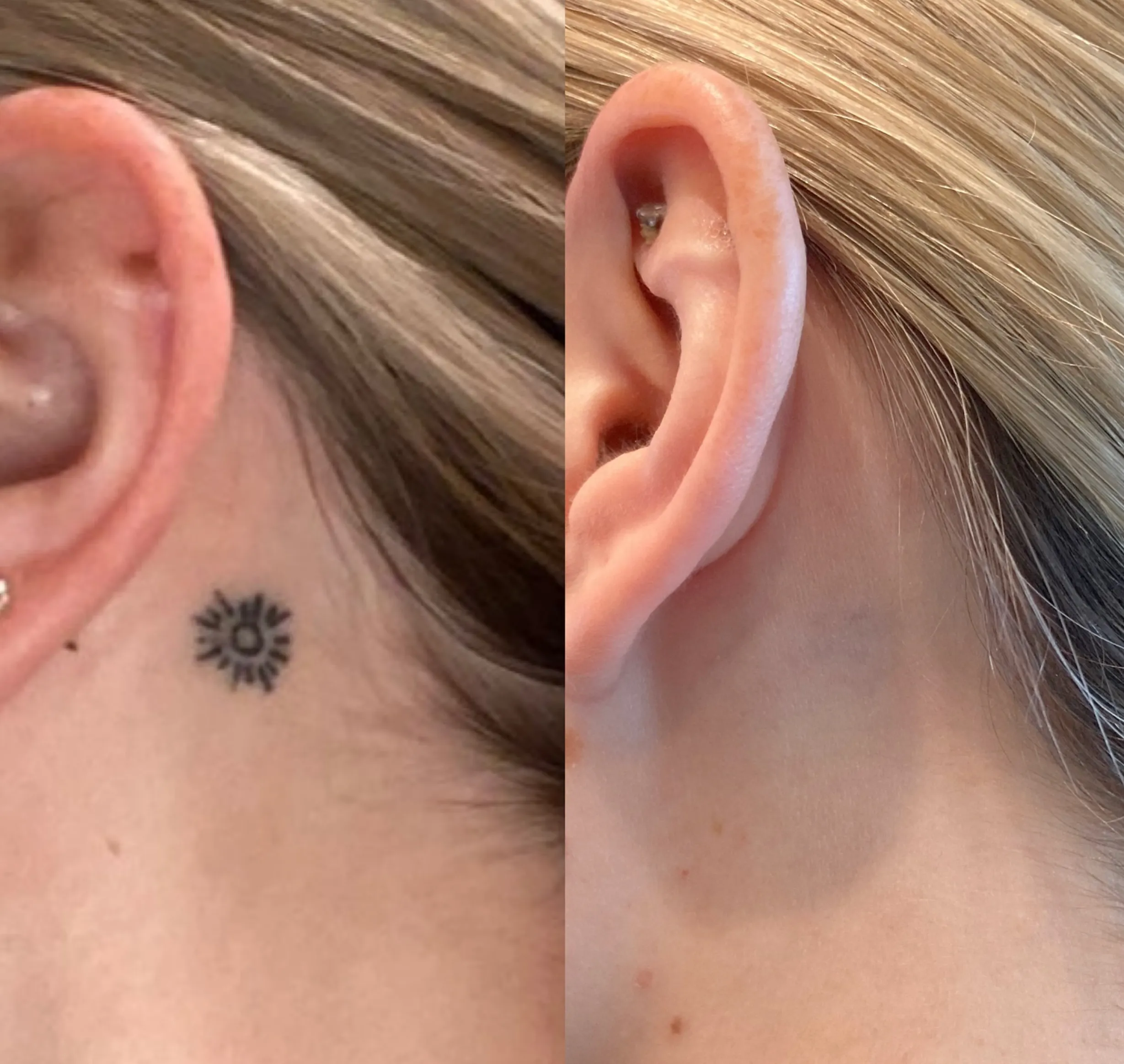
You might think fading or removing a tattoo is all about the machine or laser treatment. But here’s a secret: your immune system is the real hero.
When tattoo pigments are deposited into the dermis layer using a coil or rotary tattoo machine, your body sees them as foreign invaders. Macrophages (a type of white blood cell) swoop in, try to engulf the ink molecules and hang onto them.
Immune response: The slow fade factor
It’s your body’s slow and steady clearing crew. Over time, some ink particles break down, are carried away by the lymphatic system, and naturally fade. That’s why even without tattoo removal, tattoos can lose their vibrancy after 5-10 years.
Fun fact: Fading happens faster in areas with more blood flow (like the face) and slower on hands and feet. Skin tone also affects how ink fades over time.
Professional methods: What works?
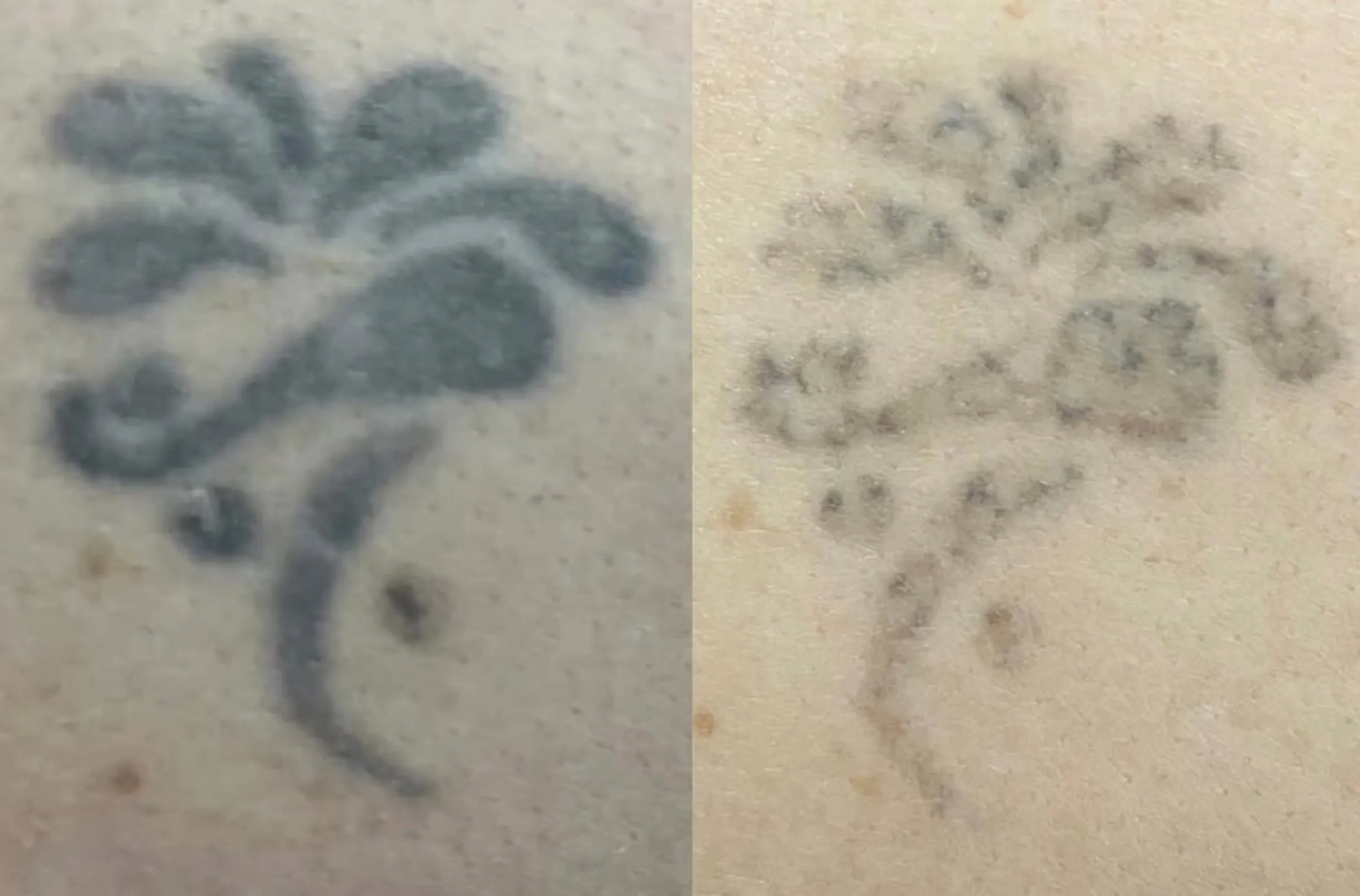
If your immune system needs a little help, you’ve got options. Let’s break down the most common professional techniques used to remove or lighten tattoos and their typical side effects.
Laser Tattoo Removal: The go-to for most
Laser tattoo removal works by sending concentrated laser light into the skin to break ink into smaller particles. Your immune system then carries those particles away. Different laser equipment (like Q-switched lasers and newer pico lasers) can target stubborn colours like green ink and black outlined shapes.
Best for: Deep, dark or multi-coloured tattoos
- Pros: Precise, powerful laser technology
- Cons: Expensive, multiple sessions needed, possible burn marks and overworked skin
- Side effects: Temporary swelling, redness, raw skin, possible infection symptoms if not cared for properly
If you’re considering Laser Tattoo Removal in Melbourne, make sure you choose a clinic that uses advanced laser equipment and understands Australian skin tones.
Saline Tattoo Removal: A gentler option for cosmetic tattoos
This method uses a saline solution to pull pigment up and out of the skin. Think of it like reverse osmosis. The solution lifts the ink to the surface, where a scab forms and eventually falls off, taking pigment with it.
Best for: Brows, lips and small cosmetic tattoos
- Pros: Safe for most skin types, no risk of colour change on flesh-toned pigments
- Cons: Slower than laser, requires proper healing process
At Face Figurati, we use saline tattoo removal to correct old microblading pens, misshapen brows or cosmetic tattoos gone wrong. Many of our clients book in specifically for Eyebrow Tattoo Removal using this method because it’s safer and more controlled than aggressive alternatives.
Surgical Removal (Skin Excision or Skin Grafting)
In some cases—especially for small tattoos—surgical excision may be used to cut out the inked area entirely. Skin grafts are sometimes used to repair the wound.
Best for: Small tattoos or medical emergencies
- Cons: Permanent scarring, longer healing and possible infection symptoms
What about DIY methods?
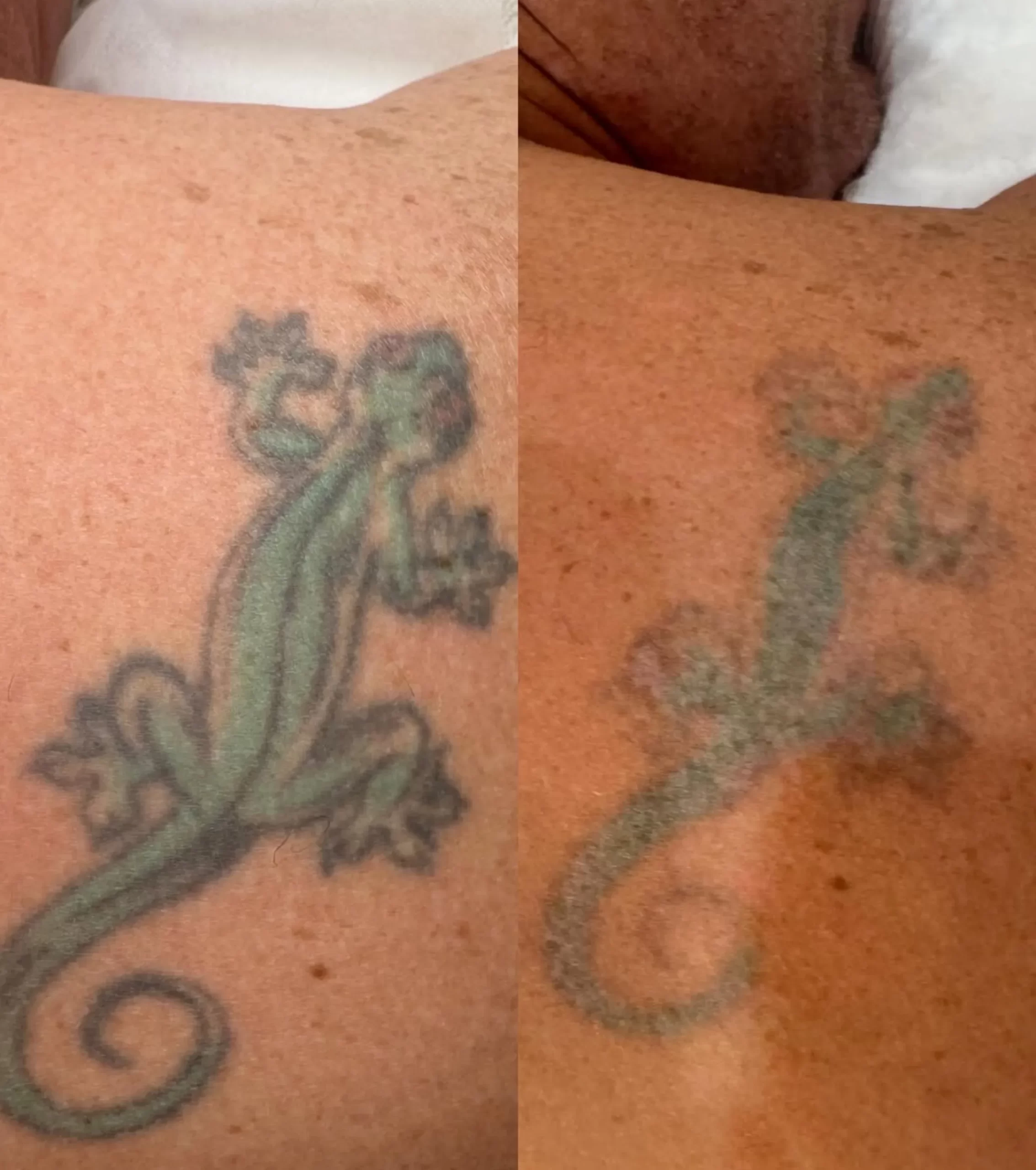
Let’s get one thing straight: DIY tattoo removal is risky, often ineffective and sometimes downright dangerous. I’ve seen everything from chemical burns to skin falling off (yes, literal red flesh!) from people trying to cut corners.
Home remedies that don’t work
- Lemon Juice: Irritating and ineffective. Won’t touch ink molecules.
- Hydrogen Peroxide: Harsh on raw skin, but ink stays put.
- Salt and Ice: Can cause frostbite and scarring.
- Baking Soda + Aloe Vera: Popular online, but doesn’t reach the dermis.
- Household products: Nail polish remover, rubbing alcohol, baby oil, cold cream—none are meant for use on tattooed skin.
- Home exfoliators: Exfoliating mitts, salicylic acid, glycolic acid and acid peels may help lighten skin tone but not tattoo ink.
- Skin adhesive, masking tape, mishapen plastic and even steam mops—yes, people try these. No, they don’t work. They just cause chemical effects or cross contamination risks.
How long does removal take?
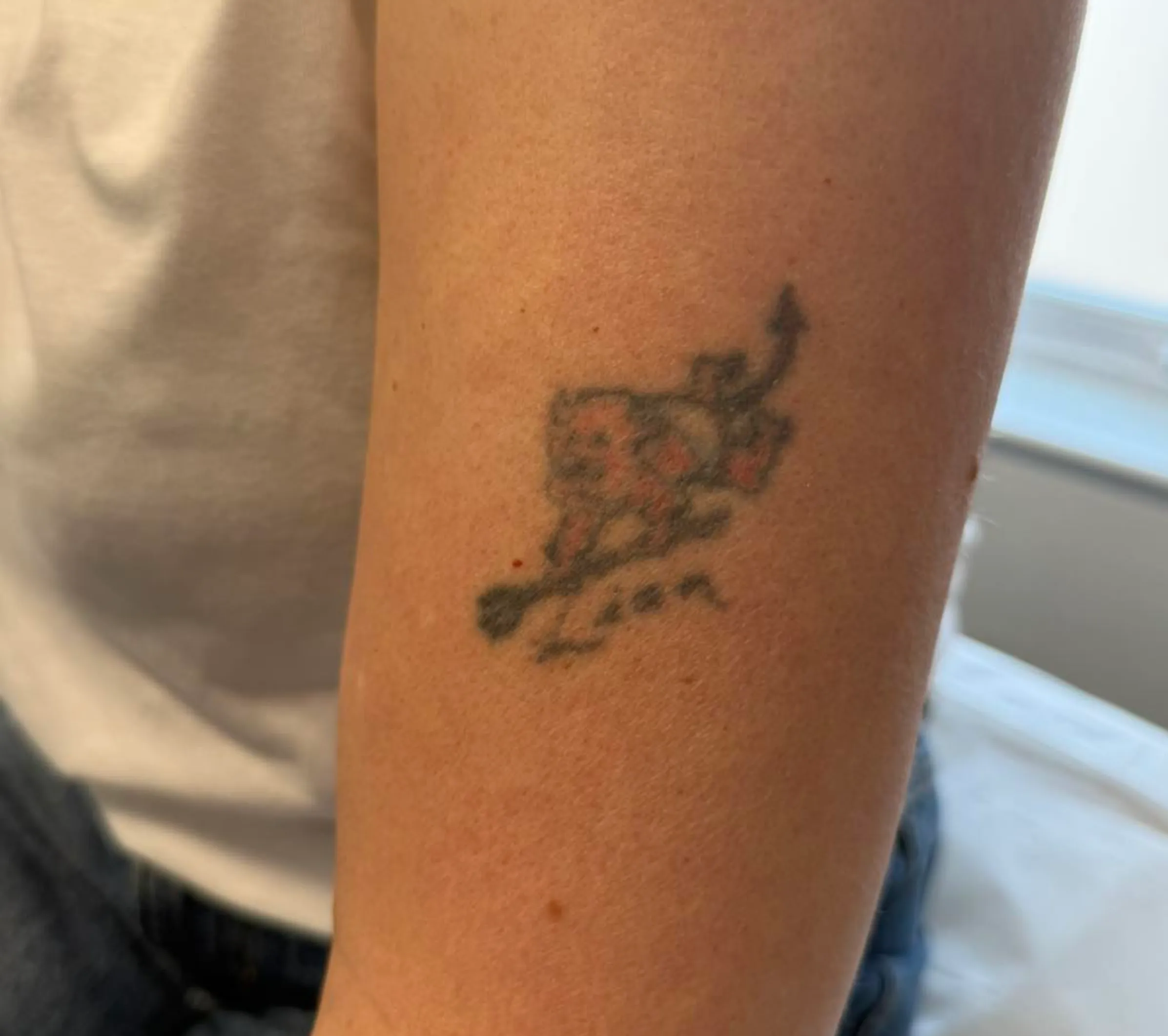
Whether you’re going the professional route or waiting for your immune system to do the job, tattoo removal takes time. Here’s a quick overview of what to expect:
| Method | Avg Sessions | Best For | Downtime |
|---|---|---|---|
| Laser Removal | 6–12 | Deep tattoos, dark or green ink | 1–3 days per session |
| Saline Removal | 2–6 | Brows, cosmetic tattoos | 7–10 days |
| Natural Fading (Immune System) | Years | All tattoos (minimal impact) | None |
| Surgical Excision | 1 | Small tattoos | 2–3 weeks healing |
Aftercare is key to avoiding side effects, infection symptoms or scarring.
Tattoo removal cost varies greatly depending on size, location, ink colour and method used—but laser is generally more expensive than saline or surgical options.
Real studio stories
At Face Figurati Cosmetic Tattoo Studio in Melbourne, we’ve seen our fair share of botched cosmetic tattoos. One client came in with brows that had turned red and blue from low-quality pigment. Over four sessions of saline removal followed by a soft powder brow correction, we restored balance to her face and confidence to her smile.
Another client tried to fade their tattoo with a mix of Aloe Vera, baking soda and Vitamin E oil. The result? Overworked skin, patchy fading and skin irritation that took weeks to heal.
We also see clients who have had Laser Eyebrow Tattoo Removal gone wrong elsewhere—often due to over-zapping or using the wrong wavelength. In these cases, we support the healing process and guide them through a gentler corrective strategy.
Aftercare essentials
Whatever method you choose, proper healing is just as important as the removal technique itself.
- Clean gently with sterile saline solution or gentle soap
- Apply antibiotic cream or healing creams
- No makeup until healed
- Avoid UV rays and artificial tanners
- Use SPF on treated area
- Don’t use painters plastic, household tape or skin adhesive to cover healing tattoos
Can tattoos come out completely?
Some do, some don’t. Black ink is easiest to remove; green ink and cosmetic pigments can be stubborn. Flesh tones used in cover-up tattoos may darken under laser removal due to titanium dioxide content.
The goal is usually not perfection but enough fading to allow a safe correction, rework or proper cover-up tattoo.
When to remove
You might want to remove if:
- Your temporary tattoos or cosmetic tattoos didn’t heal well
- The shape or colour is wrong for your face
- You’re getting a new brow style
- You had a reaction to the ink pigments
- You used temporary ink that stained the skin
Conclusion
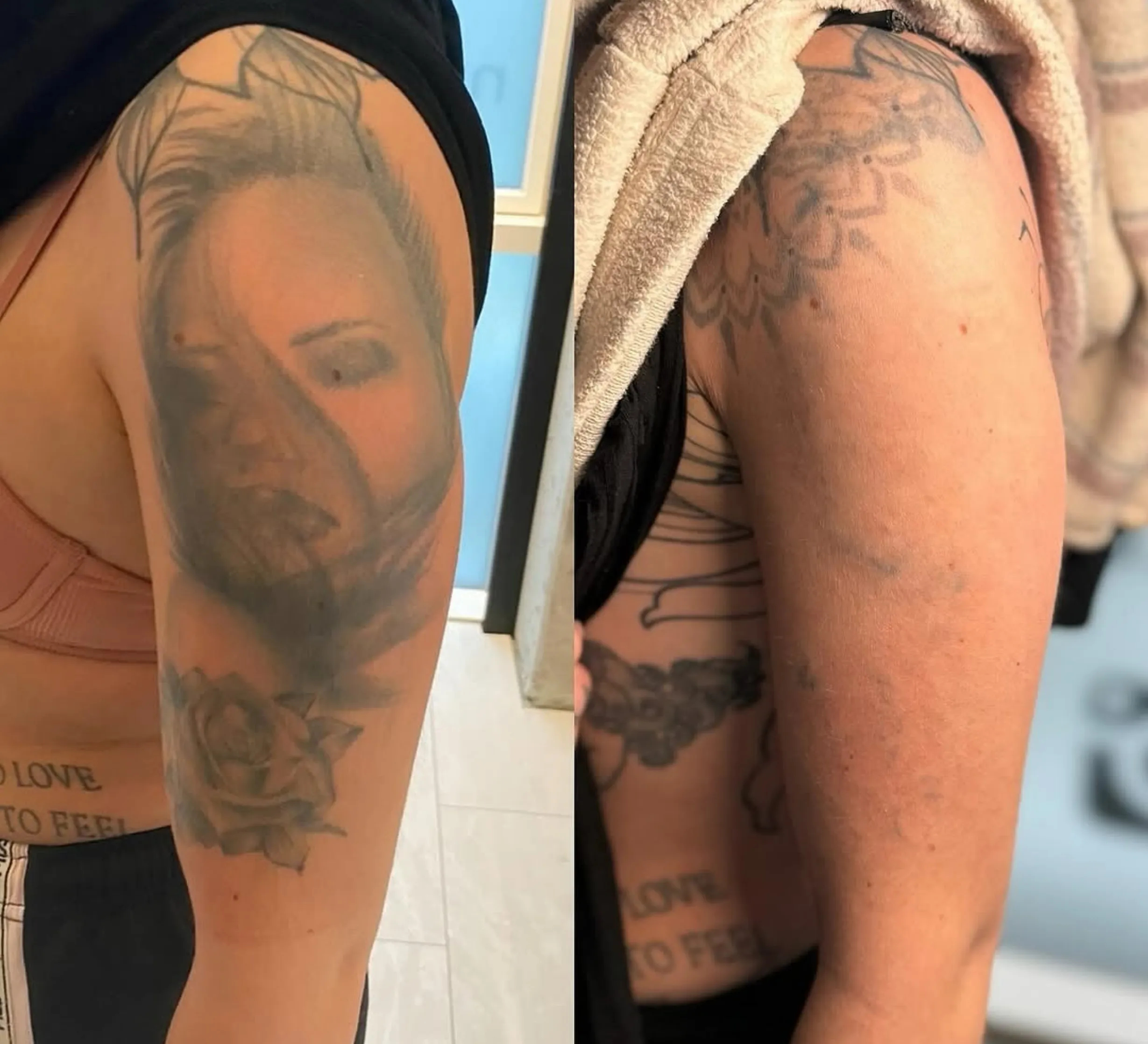
So what removes tattoo ink? A combo of biology (thanks, immune system), safe professional treatments (like laser and saline) and aftercare.
FAQ
Can lemon juice remove tattoos?
No. Lemon juice might irritate your skin but won’t remove ink from the dermis.
Is saline better than laser?
It depends on the tattoo and area. Saline is great for cosmetic tattoos; laser is better for deeper or multi-colour body art.
Do Tattoo Removal Creams work?
Most contain acids or chemicals that only affect the top layer of skin. They don’t reach the ink molecules in the dermis.
How do I know I’m healing properly?
Watch for redness, swelling or infection symptoms like pus. Stick to healing creams and avoid home remedies.
Can rubbing alcohol or baby oil fade tattoos?
No. These are harsh or ineffective for pigment removal and can cause raw skin or chemical irritation.