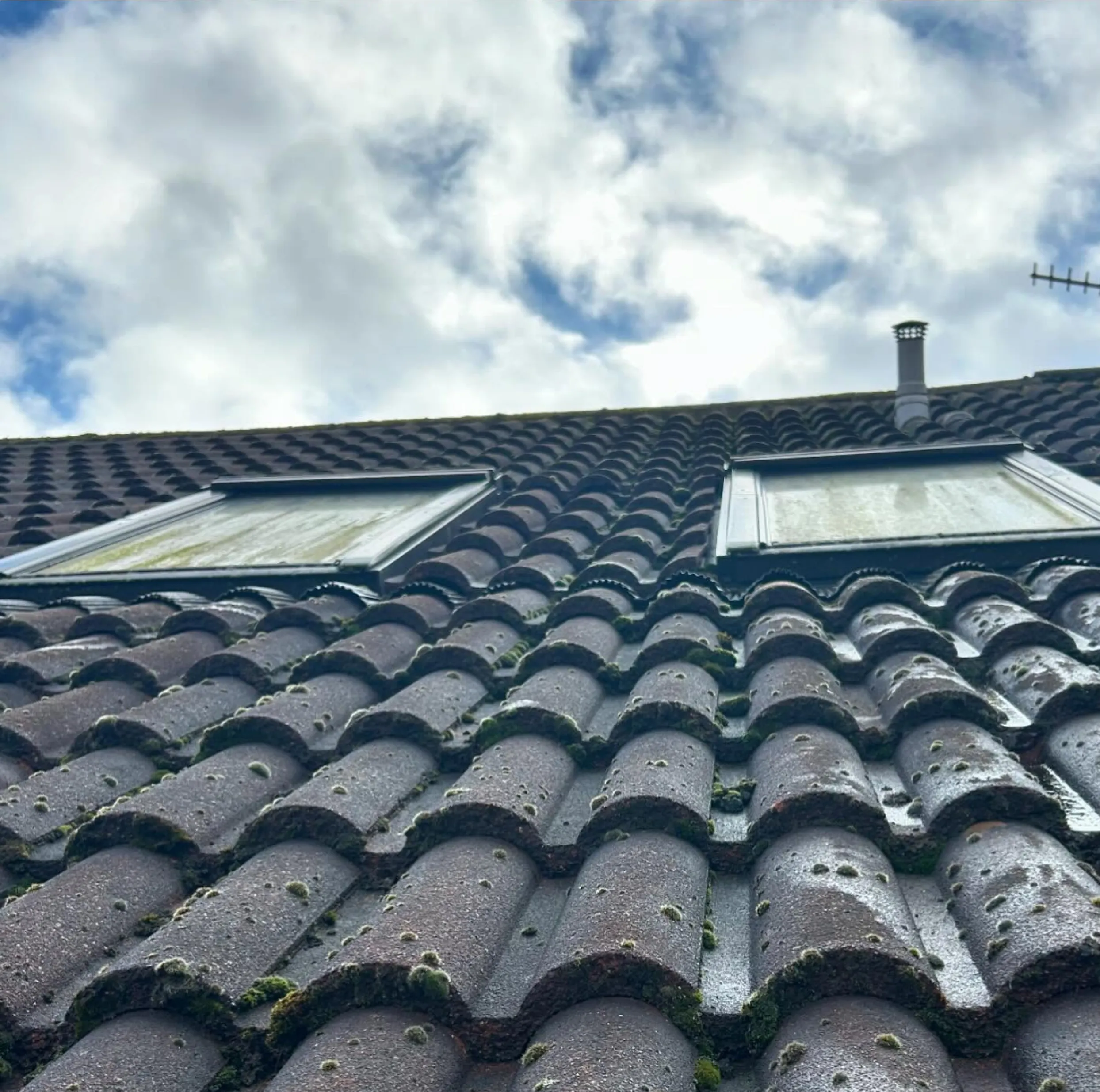
Your roof is the most important structure of your home, protecting it from the elements and overall safety. But many homeowners overlook the importance of regular roof maintenance, especially roof cleaning. Regular cleaning is vital for preventing costly damage, improving curb appeal and extending the life of different types of roofing materials. But how often should a roof be cleaned? The answer depends on several factors, climate, roof type and exposure to debris. Not maintaining a clean roof can lead to extensive water damage, structural damage and costly repairs down the track. If you live in a urban area, you may consider roof cleaning Melbourne services to keep your roof in top condition all year round.
Contents
Recommended Roof Cleaning Frequency

Most roofing experts recommend cleaning your roof at least once a year but the ideal frequency of roof cleaning varies depending on location, weather and type of roofing material used. Here are the guidelines:
- Annually: Most roofs should be professionally cleaned at least once a year to prevent dirt, algae buildup and moss growth.
- Every 6 Months: If you live in a humid or heavily wooded area, a bi-annual cleaning schedule may be necessary to control algae growth and debris buildup.
- Every 2-3 Years: In dry or arid climates with minimal vegetation and rainfall, cleaning every 2-3 years may be sufficient.
Factors Affecting Roof Cleaning Frequency
1. Climate and Weather
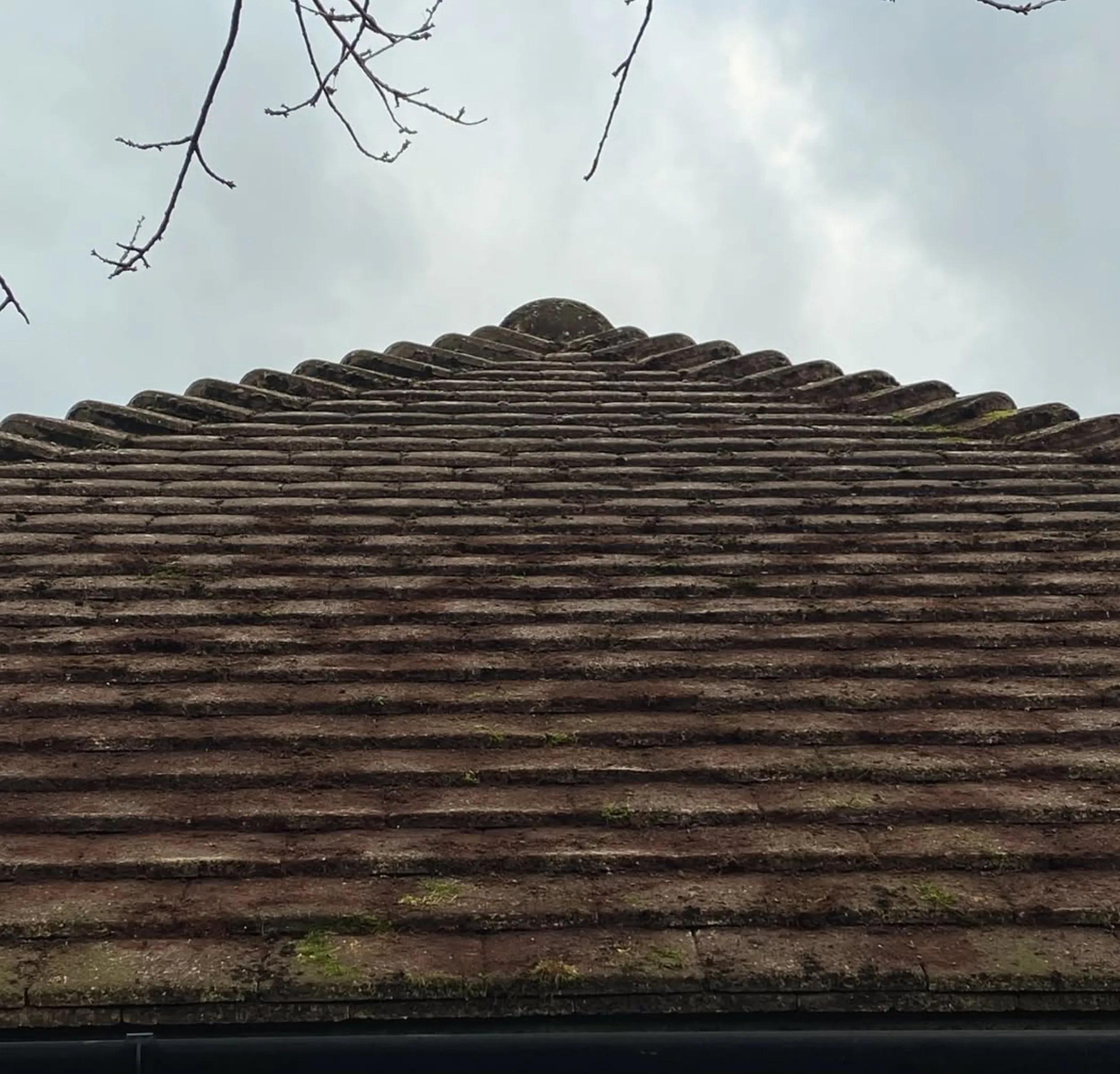
- In humid areas algae growth, moss growth, black streaks from bacteria thrive, need more frequent cleaning.
- Heavy rain washes away debris but can also promote algae growth and moss growth.
- Dry and arid climates may need less frequent cleaning but dirt and dust accumulation can still be an issue.
2. Surrounding Environment
- Trees near the house brings debris loads, leaves, twigs, animal droppings.
- Overhanging branches increase moss and lichen growth due to shade and moisture retention.
- Urban areas gets pollution buildup, need frequent inspection and professional service to maintain a clean roof.
3. Roofing Material
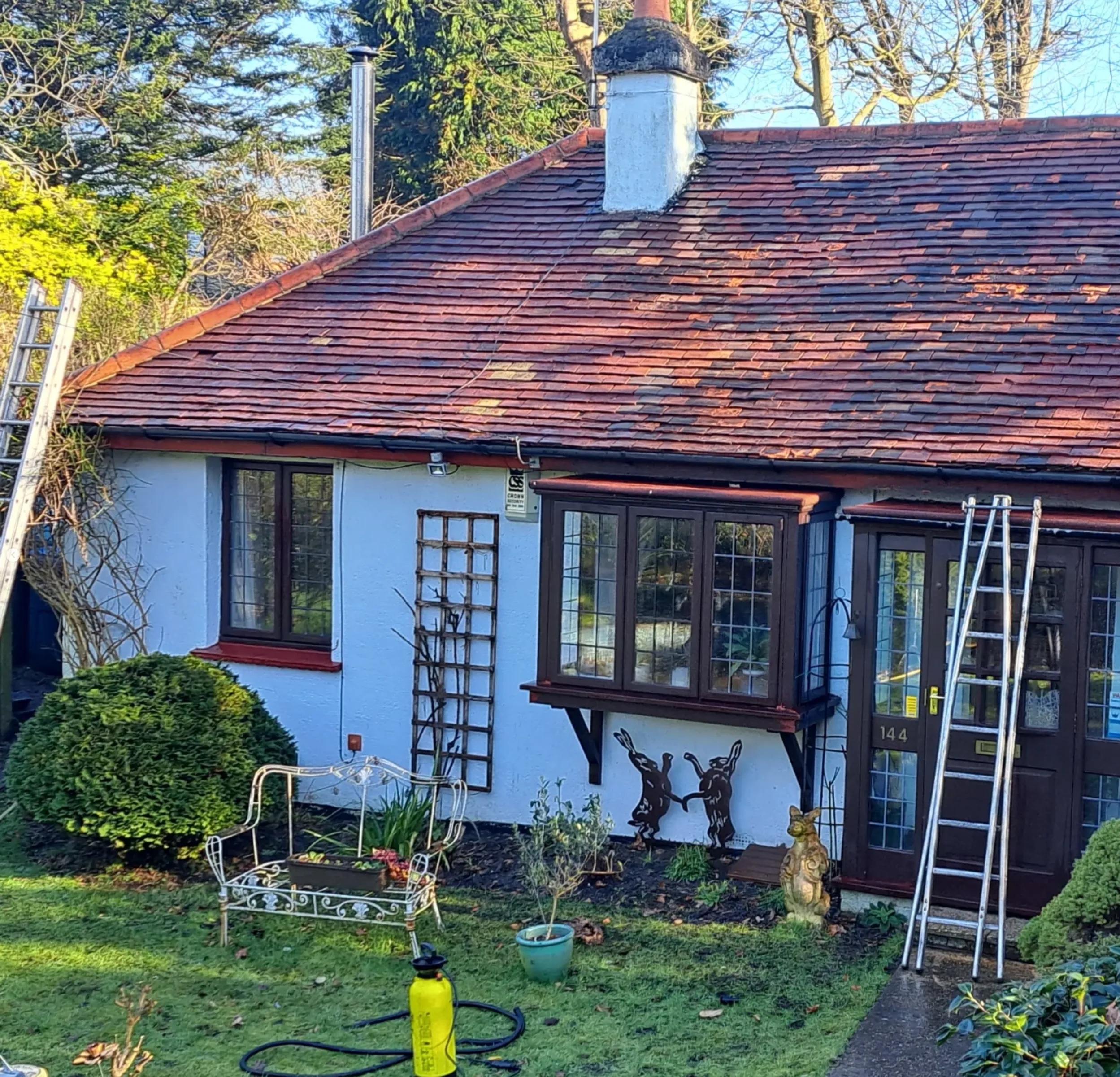
- Asphalt Shingles: Susceptible to algae buildup, moss, black algae streaks. Clean every 1-2 years.
- Tile Roofs (Clay Tile Roofs or Terracotta Roofs): Prone to mold but durable. Clean every 1-2 years.
- Metal Roofs: Less prone to algae buildup but still need cleaning every 2-3 years.
- Wooden Roofs: Highly vulnerable to mold and rot. Clean every 6-12 months.
- Commercial Roofs: Need professional roof cleaning service annually to maintain roof longevity and prevent extensive damage.
4. Moss, Algae, Lichen
- If you see black streaks, dark streaks, algae buildup, green moss or white lichen patches, clean immediately to prevent costly roof repairs.
- Algae and mold can deteriorate roofing materials, leaky roofs, roof leaks and other structural issues if left untreated.
5. Roof Pitch and Drainage
- Flat or low pitch roofs tends to accumulate more debris and moisture, need more frequent inspection and professional cleaning.
- Roofs with poor drainage system are more prone to algae buildup and moss, need regular check-up and preventative measures like gutter guards.
The Benefits of Regular Roof Cleaning
- Prevents Damage: Remove moss, lichen and algae prevents roofing material deterioration and costly repairs.
- Extends Roof Life: Regular roof cleaning extends the life of your roofing materials, prevents unexpected damage and reduces repair cost.
- Energy Efficiency: Clean roof reflects sun’s heat, energy efficient and lower energy bills.
- Curb Appeal: Clean roof improves kerb appeal and visual appeal, makes your home more sellable.
- Health Hazards: Remove mold and mildew growth reduces indoor air pollution.
Best Methods for Cleaning a Roof
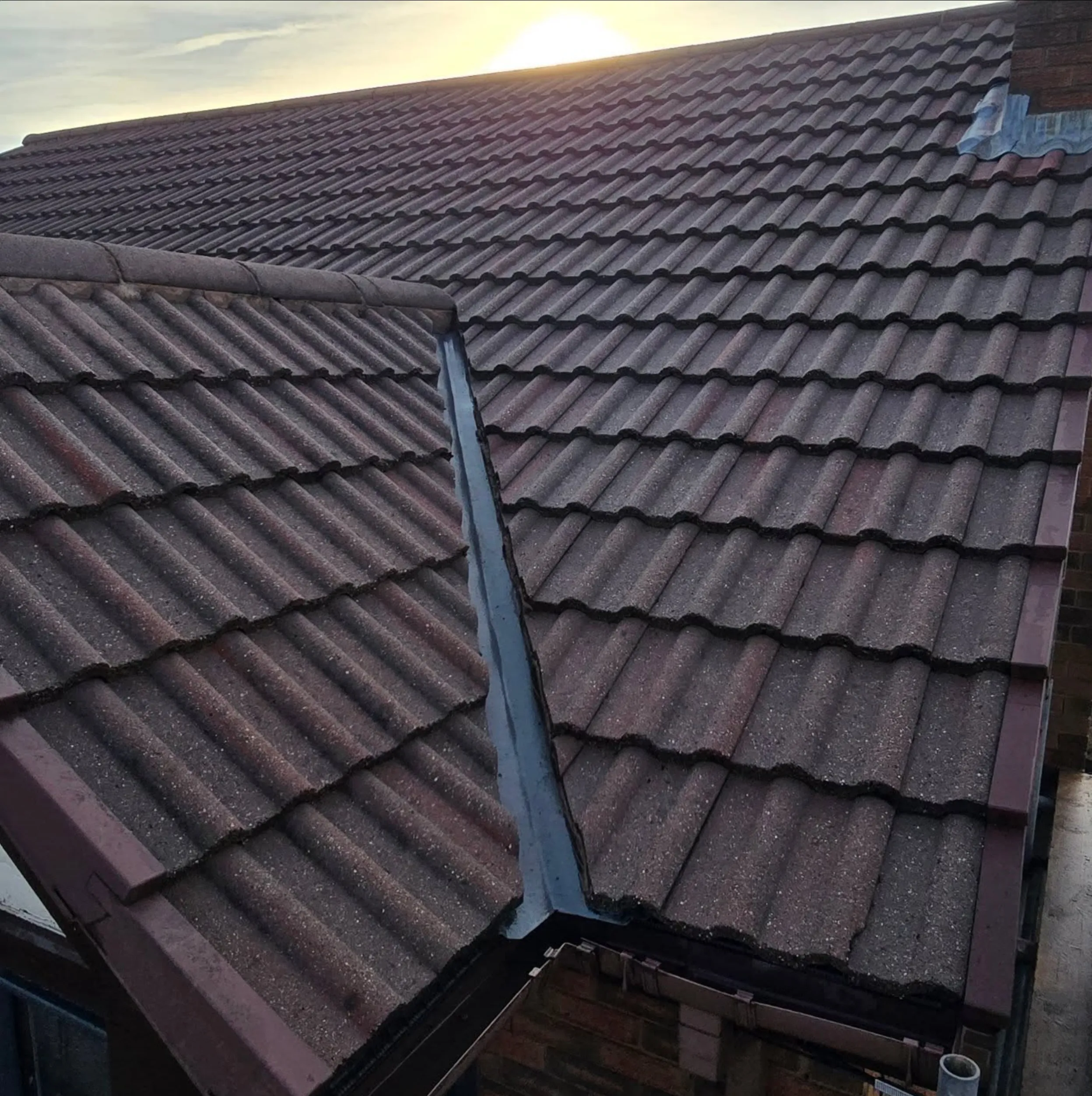
- Soft Washing: Uses a specialized cleaning solution and soft wash roof cleaning techniques to remove dirt and algae without damaging shingles.
- Roof Pressure Cleaning: This method is particularly effective for removing stubborn dirt and debris from various roofing materials.
- Cleaning Colorbond Roof: Specialised equipment is required to safely clean Colorbond roofs without causing damage to their protective coatings.
- Professional Pressure Cleaning: A high-powered cleaning process used by professional roof cleaners to restore the roof’s appearance and longevity.
- Chemical Treatments (Biocide Treatment): Prevents future algae growth and moss development.
- Manual Cleaning: For delicate roofing materials, using non-slip shoes, a safety harness, and proper safety gear is essential to minimize safety risks.
Professional vs. DIY Roof Cleaning
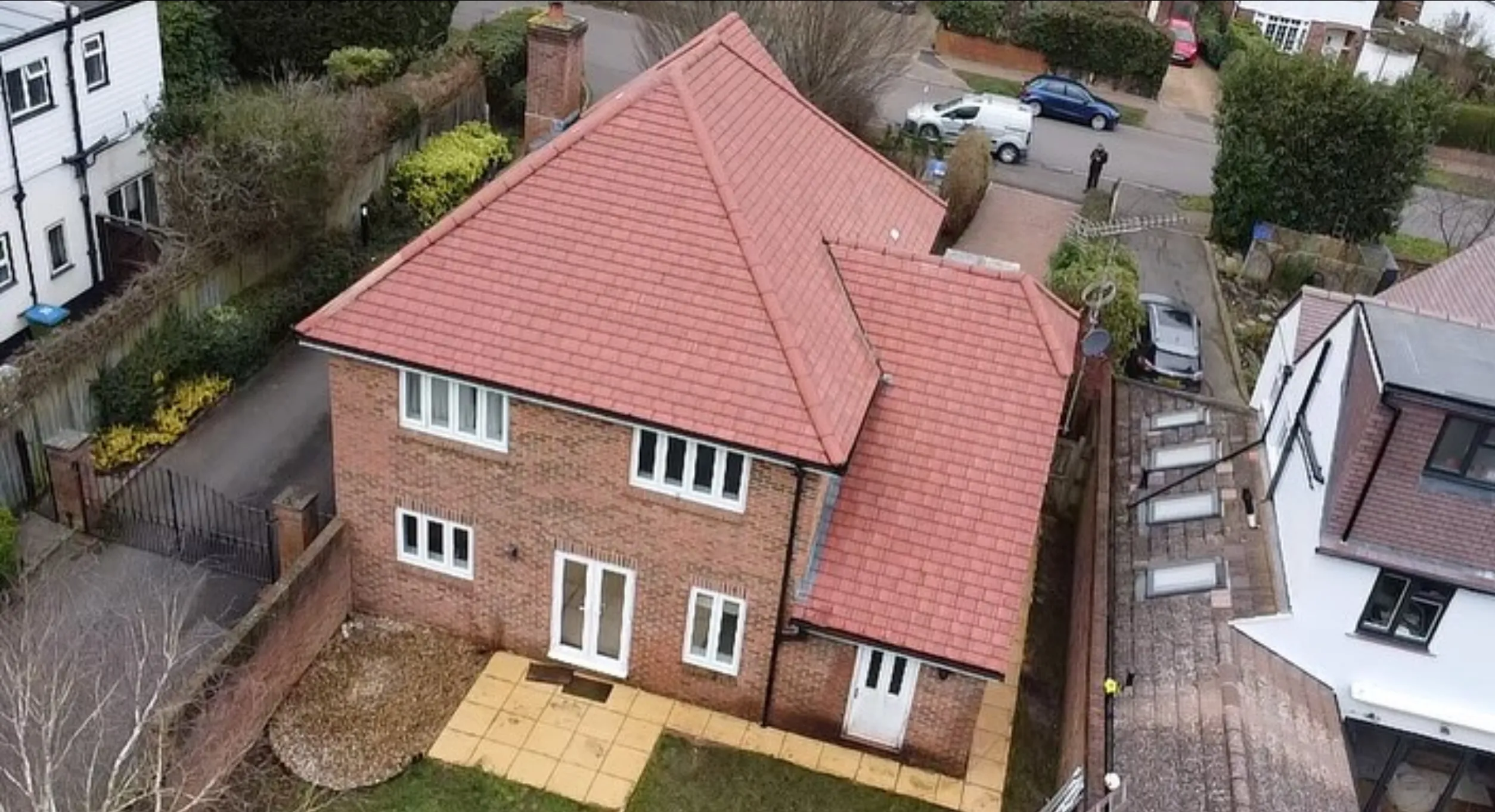
- DIY Cleaning: Good for minor repairs and cleaning projects but requires knowledge of maintenance, safety harnesses and protective clothing.
- Professional Roof Cleaning Services: For thorough cleaning, annual roof inspections and special projects. A professional roofer or roofing company will clean the roof safely and efficiently.
Conclusion
Keeping your roof clean is essential to its longevity and to prevent costly damage. An annual roof cleaning is sufficient for most homes but climate, roof type and exposure to debris can affect how often you should have professional services. Regular inspections, cleaning solutions and maintenance will protect your roof over time and keep it structurally sound. If unsure, hiring a roofer for a professional roof inspection is the way to go to keep your roof damage free.
FAQ
What is the best time to clean my roof?
Best time to clean is in spring or fall when temperatures are moderate and conditions are ideal to prevent algae growth and moss.
Can I use a pressure washer to clean my roof?
Yes but be careful. A 2,500-psi pressure washer is too strong for asphalt shingle roofs and can cause damage. Soft washing is the way to go for most roofing materials.
How can I prevent moss and algae on my roof?
Installing zinc or copper strips along the ridge of the roof will prevent algae and moss growth by releasing protective minerals.
Will professional roof cleaning damage my roof shingles?
When done correctly using soft washing techniques, professional roof cleaning won’t damage asphalt shingles, roof tiles or terracotta roofs.
How much does roof cleaning cost?
Cost varies with roof size, roof pitch and roof material but generally ranges from $250 to $800 per clean depending on the roofing company and location.